Skip to content
  • facebook.com
  • twitter.com
  • t.me
  • instagram.com
  • youtube.com
Chemical Engineering

Transforming Science. Engineering a Better World.

Subscribe
  • Home
  • Online Tools
  • Chemical Engineering App
  • Home
  • energy efficiency
  • Page 2
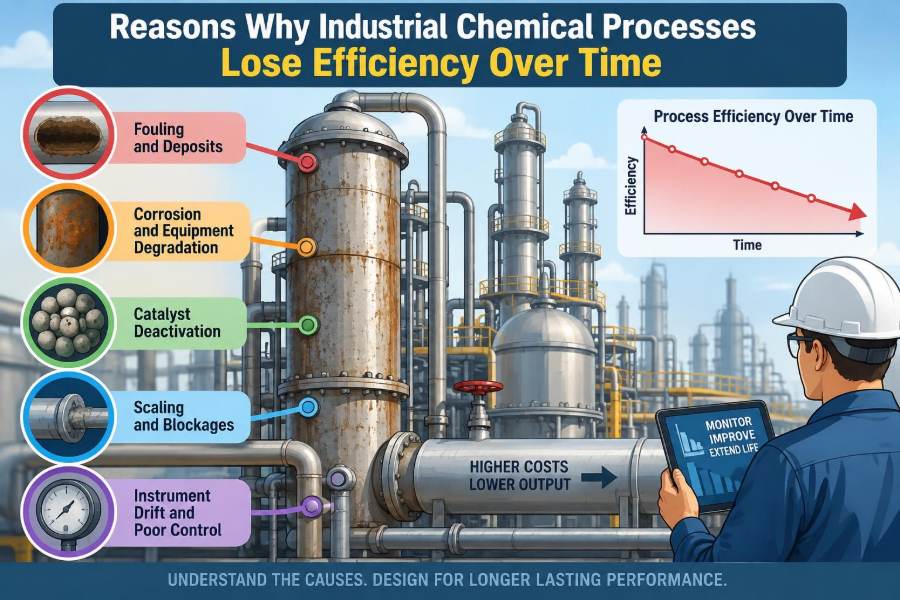
🧪 Reasons Why Industrial Chemical Processes Lose Efficiency Over Time
Posted inFeatured

🧪 Reasons Why Industrial Chemical Processes Lose Efficiency Over Time

Posted by admin October 17, 2026
Higher steam use, creeping pressure drop, and unstable quality often have a physical cause. Learn what changes inside process units—and how to diagnose it early. ⚙️📉🔍
Read More
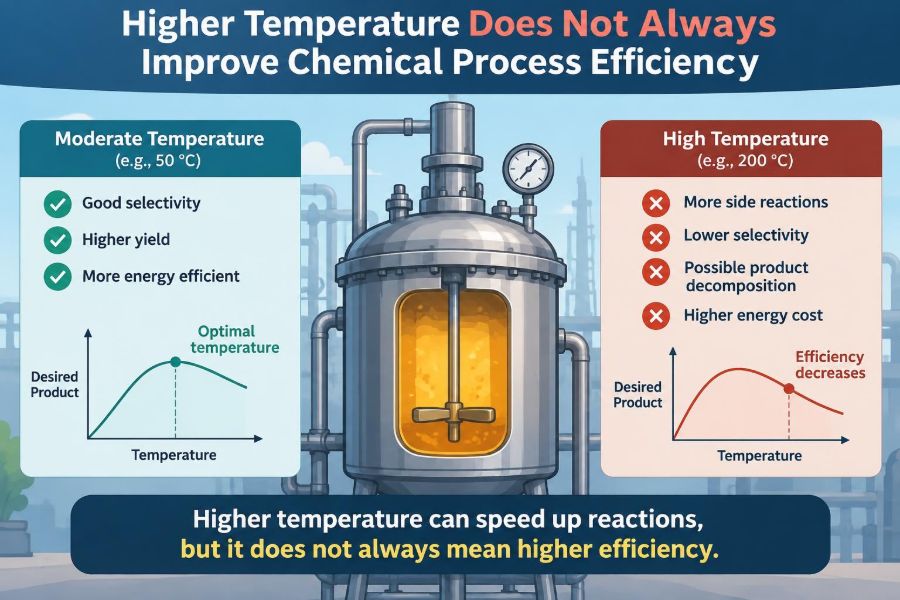
🧪 Debunking the Myth That Higher Temperature Always Improves Chemical Process Efficiency
Posted inFeatured

🧪 Debunking the Myth That Higher Temperature Always Improves Chemical Process Efficiency

Posted by admin October 15, 2026
Higher temperature can speed reactions—but it may also hurt yield, equilibrium, catalysts, safety, and energy use. Learn what engineers must check before raising the setpoint. ⚗️📉⚙️
Read More
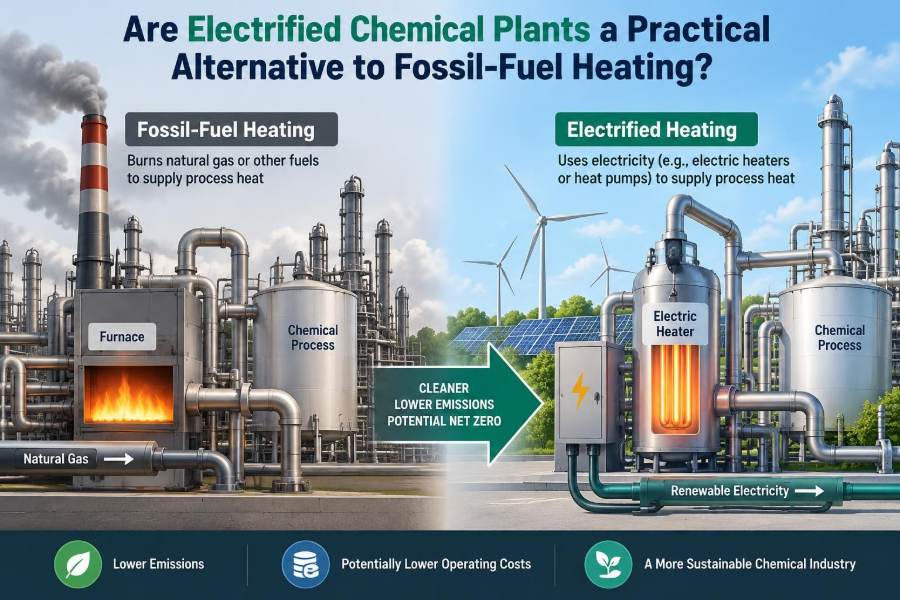
🧪 Are Electrified Chemical Plants a Practical Alternative to Fossil-Fuel Heating?
Posted inFeatured

🧪 Are Electrified Chemical Plants a Practical Alternative to Fossil-Fuel Heating?

Posted by admin October 11, 2026
Electric heat can cut combustion, but temperature, grid capacity, safety, and heat integration decide the outcome. See where electrification fits—and where it does not. 🧪🏭⚡
Read More
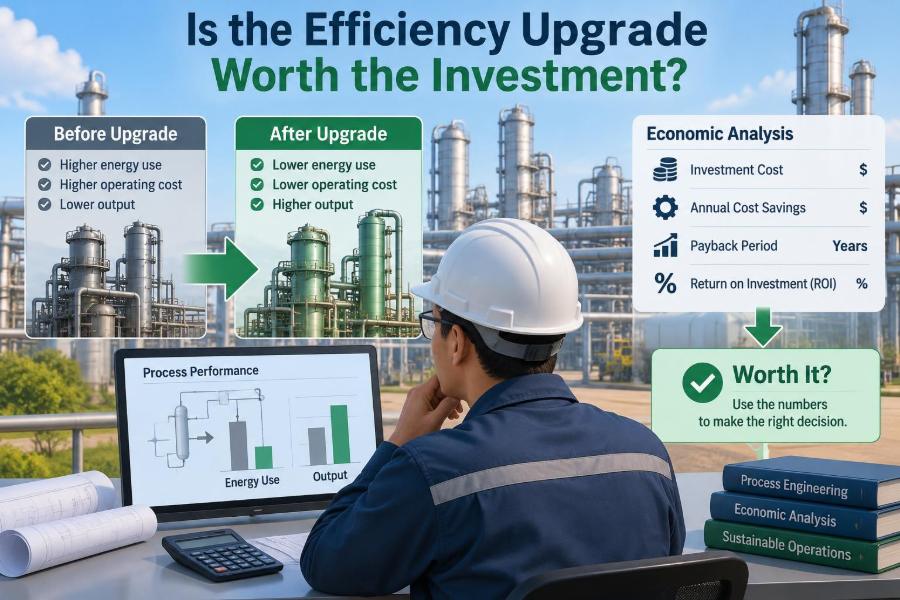
🧪 How Chemical Plants Calculate Whether an Efficiency Upgrade Is Worth the Investment
Posted inFeatured

🧪 How Chemical Plants Calculate Whether an Efficiency Upgrade Is Worth the Investment

Posted by admin October 10, 2026
A lower utility bill is only the start. Learn how plants test savings, downtime, risk, and cash flow before approving an upgrade. ⚙️📊💰
Read More
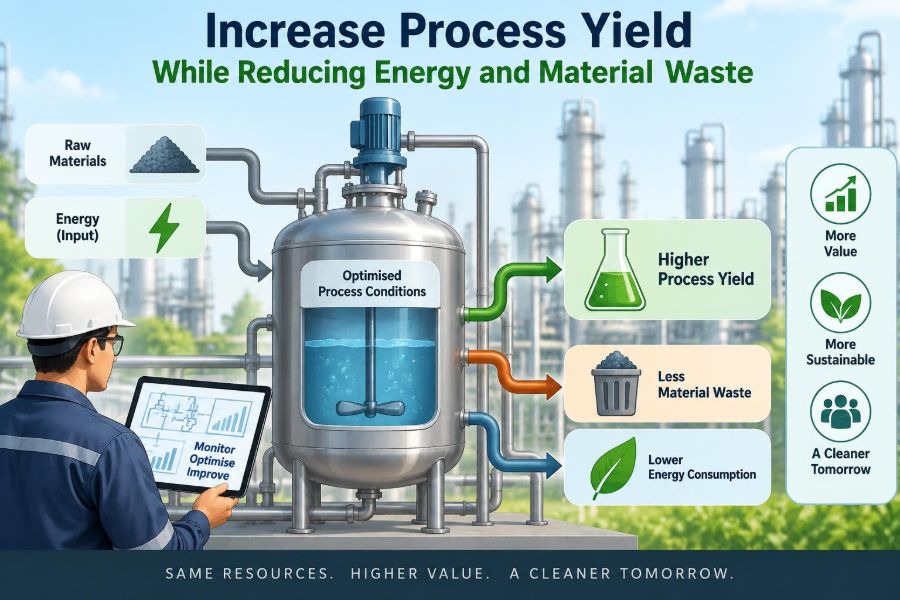
🧪 How to Increase Process Yield While Reducing Energy and Material Waste
Posted inFeatured

🧪 How to Increase Process Yield While Reducing Energy and Material Waste

Posted by admin October 2, 2026
Learn how to find hidden losses in reactions, separations, utilities, recycle loops, and changeovers—then improve yield without trading away safety or quality. ⚙️🌡️📊
Read More
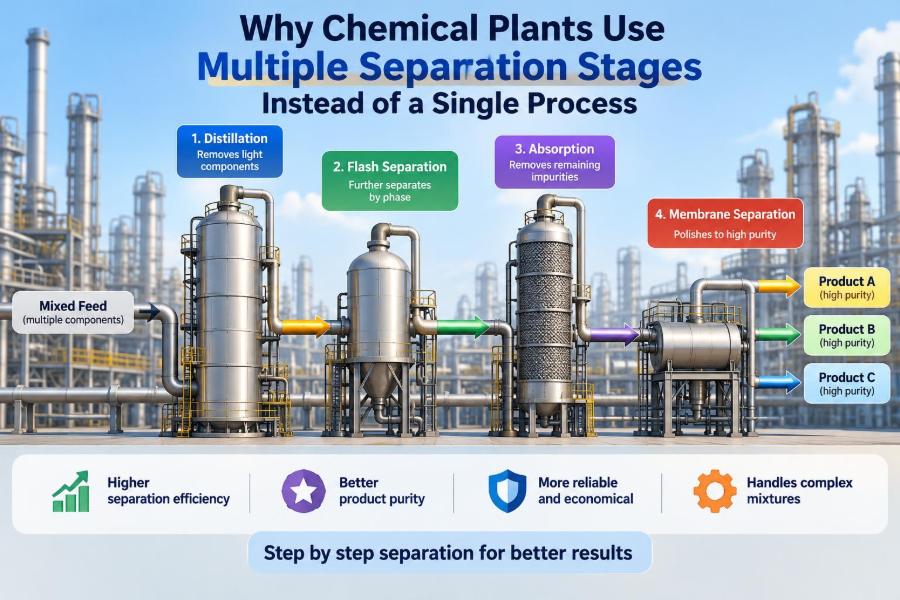
🧪 Why Chemical Plants Use Multiple Separation Stages Instead of a Single Process
Posted inFeatured

🧪 Why Chemical Plants Use Multiple Separation Stages Instead of a Single Process

Posted by admin September 23, 2026
From distillation and membranes to filters and adsorbents, see why chemical plants divide hard mixtures into manageable steps—and how that saves energy and protects product quality. 🔬🏭💧
Read More
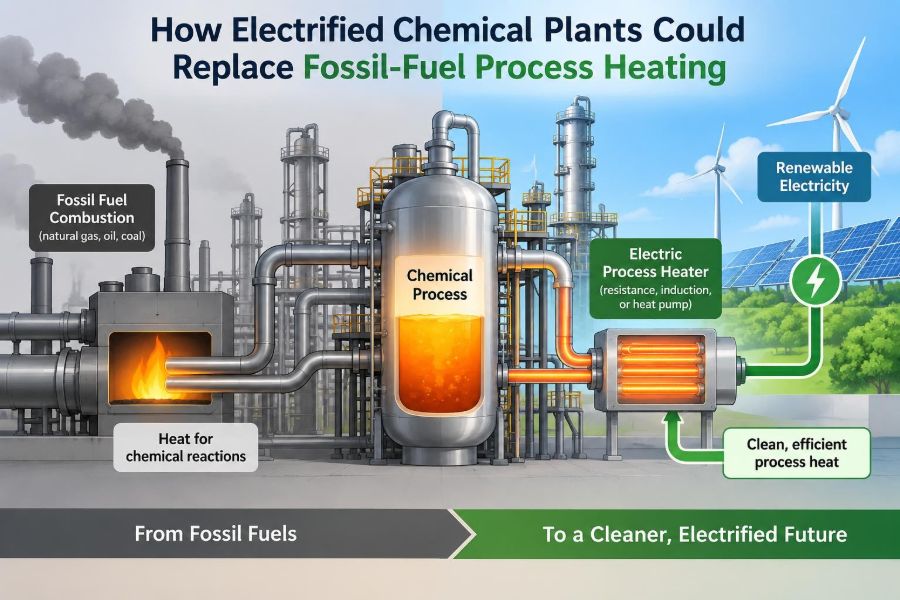
🏭 How Electrified Chemical Plants Could Replace Fossil-Fuel Process Heating
Posted inFeatured

🏭 How Electrified Chemical Plants Could Replace Fossil-Fuel Process Heating

Posted by admin September 23, 2026
From heat pumps and electric boilers to grid limits and thermal storage, see how plants can replace fossil-fired process heat without overlooking reliability or product quality. 🏭🌡️🔌
Read More
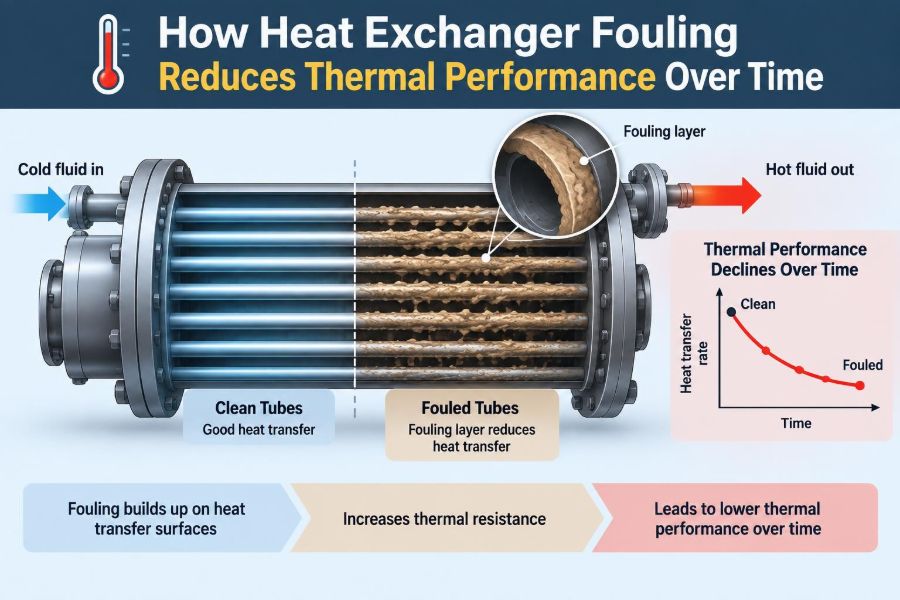
🌡️ How Heat Exchanger Fouling Reduces Thermal Performance Over Time
Posted inFeatured

🌡️ How Heat Exchanger Fouling Reduces Thermal Performance Over Time

Posted by admin September 20, 2026
Learn why deposits lower U-values, raise pressure drop, and drive utility use—and how to diagnose, clean, and prevent exchanger fouling before it limits production. 🔧📉🌊
Read More
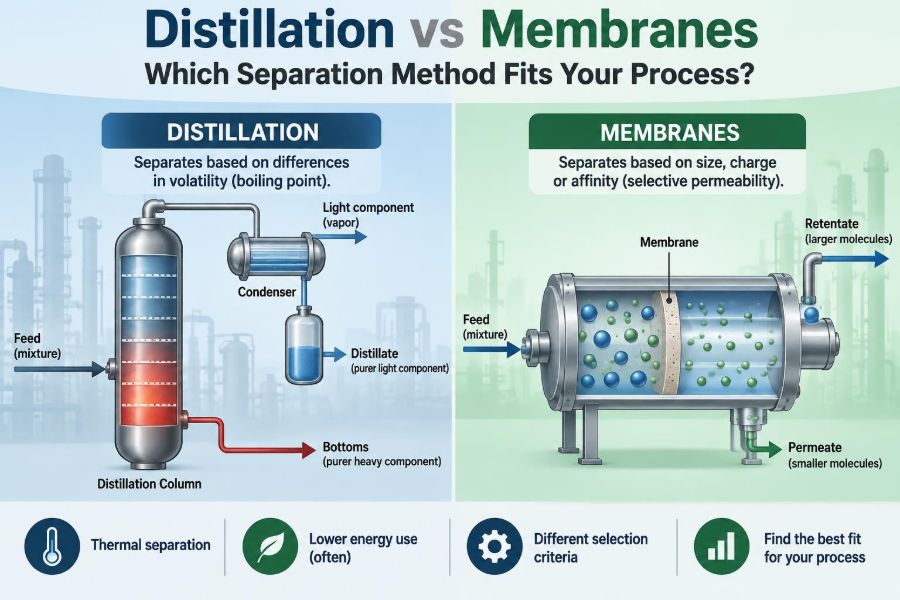
⚖️ Distillation vs Membranes: Which Separation Method Fits Your Process?
Posted inFeatured

⚖️ Distillation vs Membranes: Which Separation Method Fits Your Process?

Posted by admin September 17, 2026
Compare energy, purity, fouling, scale, and operability before choosing a separator. See when distillation wins, when membranes excel, and why hybrids matter. 🔥🧪⚙️
Read More
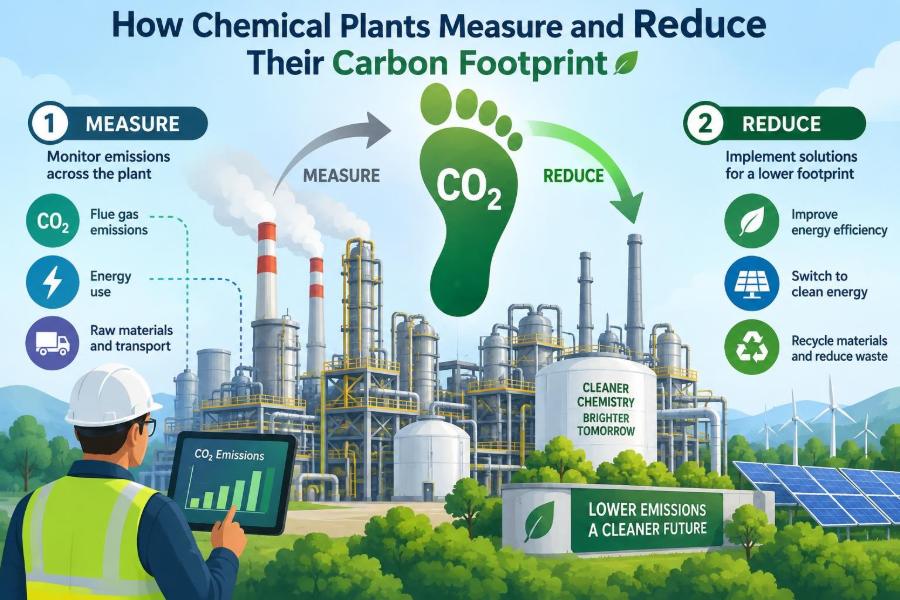
🌱 How Chemical Plants Measure and Reduce Their Carbon Footprint
Posted inFeatured

🌱 How Chemical Plants Measure and Reduce Their Carbon Footprint

Posted by admin September 16, 2026
From boilers and flare stacks to feedstocks and electricity, learn how engineers build a credible carbon footprint—and turn the data into practical reduction projects. ⚙️📊🌍
Read More

Posts pagination

Previous page 1 2 3 Next page

Recent Posts

  • 🧪 Understanding Pinch Analysis: How Chemical Plants Reduce Heating and Cooling Energy
  • 🧪 Inside Industrial Crystallization: How Engineers Control Crystal Size and Purity
  • 🧪 Cavitation Explained: Why Vapor Bubbles Can Damage Pumps and Process Equipment
  • 🧪 Fluidization Explained: How Solid Particles Can Behave Like a Flowing Liquid
  • 🧪 Exploring Supercritical Fluids: How They Are Used in Extraction, Cleaning, and Chemical Processing

Recent Comments

No comments to show.

Archives

  • November 2026
  • October 2026
  • September 2026
  • August 2026
  • March 2025
  • February 2025
  • February 2022
  • January 2022
  • November 2021
  • October 2021
  • August 2021

Categories

  • advanced_concepts
  • Chemical Engineering Softwares
  • Chemical Process Calculation
  • Featured
  • General Concepts
  • heat transfer
  • Mass Transfer
  • Material Science
  • Mechanics of Solids
  • Mineral Processing
  • NanoTechnology
  • Organic Chemistry
  • Physical Chemistry
  • Quality Management
  • Uncategorized
Copyright 2026 — Chemical Engineering. All rights reserved. Bloghash WordPress Theme
Scroll to Top