Skip to content
  • facebook.com
  • twitter.com
  • t.me
  • instagram.com
  • youtube.com
Chemical Engineering

Transforming Science. Engineering a Better World.

Subscribe
  • Home
  • Online Tools
  • Chemical Engineering App
  • Home
  • energy efficiency
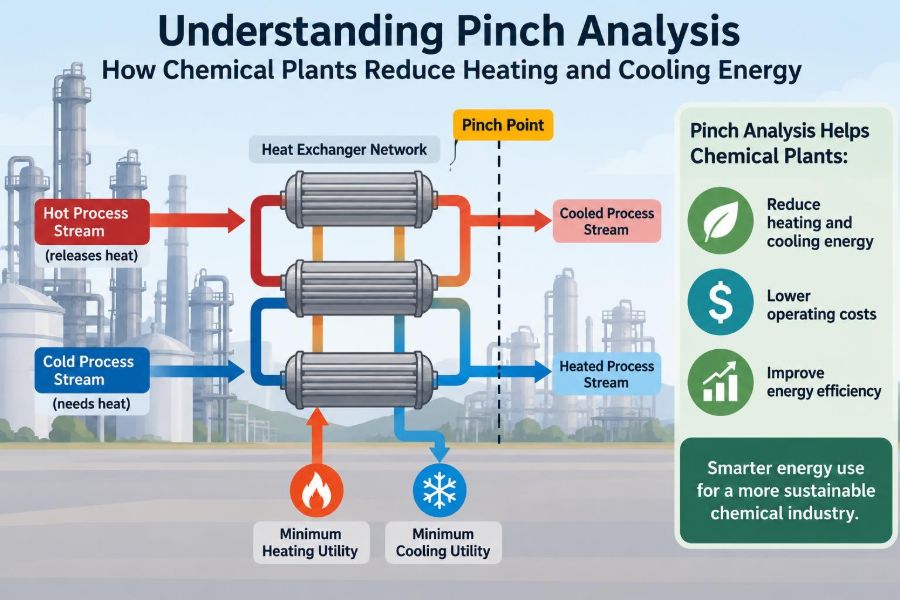
🧪 Understanding Pinch Analysis: How Chemical Plants Reduce Heating and Cooling Energy
Posted inFeatured

🧪 Understanding Pinch Analysis: How Chemical Plants Reduce Heating and Cooling Energy

Posted by admin November 24, 2026
Hot streams and cold streams often pass through the same plant without meeting. Learn how pinch analysis finds realistic heat-recovery targets—and the limits that matter. 🌡️⚙️🏭
Read More
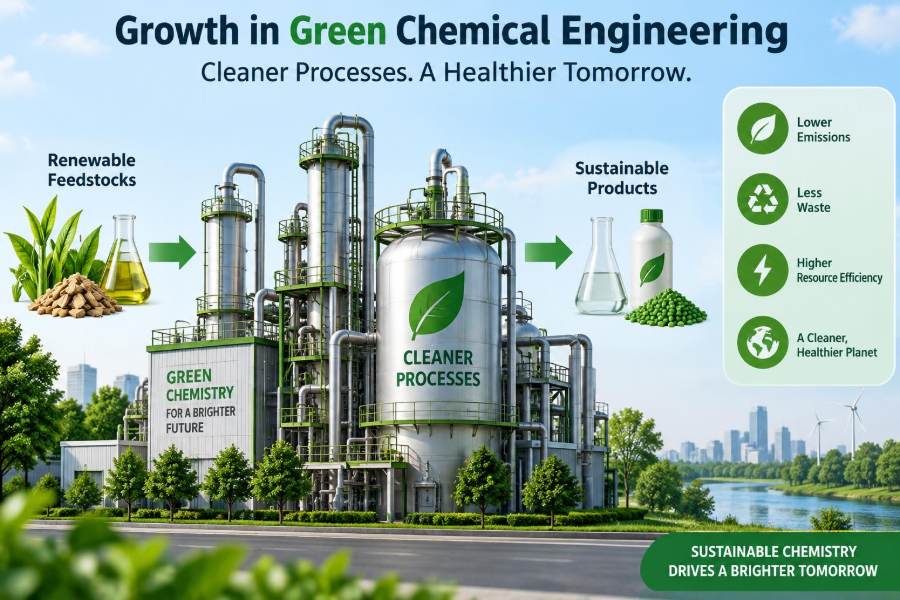
🧪 Growth in Green Chemical Engineering: Why Cleaner Processes Are Gaining Momentum
Posted inFeatured

🧪 Growth in Green Chemical Engineering: Why Cleaner Processes Are Gaining Momentum

Posted by admin November 8, 2026
From smarter catalysts to heat recovery and circular materials, see why green chemical engineering is reshaping plant design—without ignoring real trade-offs. ⚙️💧🌍
Read More
🧪 How to Estimate Whether a Heat Exchanger Is Losing Performance
Posted inFeatured

🧪 How to Estimate Whether a Heat Exchanger Is Losing Performance

Posted by admin November 4, 2026
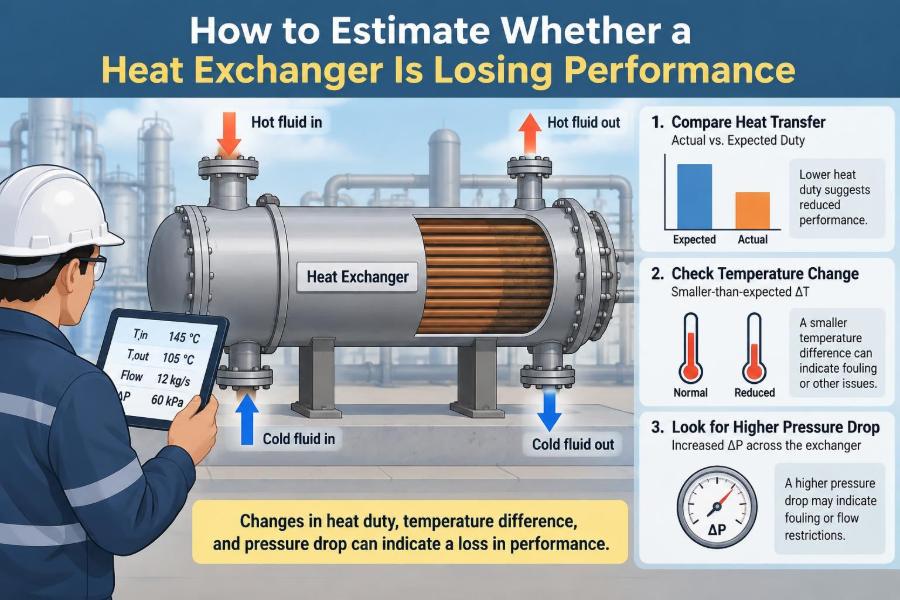
A warm outlet does not always mean fouling. Learn how duty, LMTD, UA, flow, and pressure drop reveal what is really changing inside a heat exchanger. 🔧📈🧪
Read More
🧪 Is It Worth Recovering Waste Heat from Industrial Chemical Processes?
Posted inFeatured

🧪 Is It Worth Recovering Waste Heat from Industrial Chemical Processes?

Posted by admin October 30, 2026
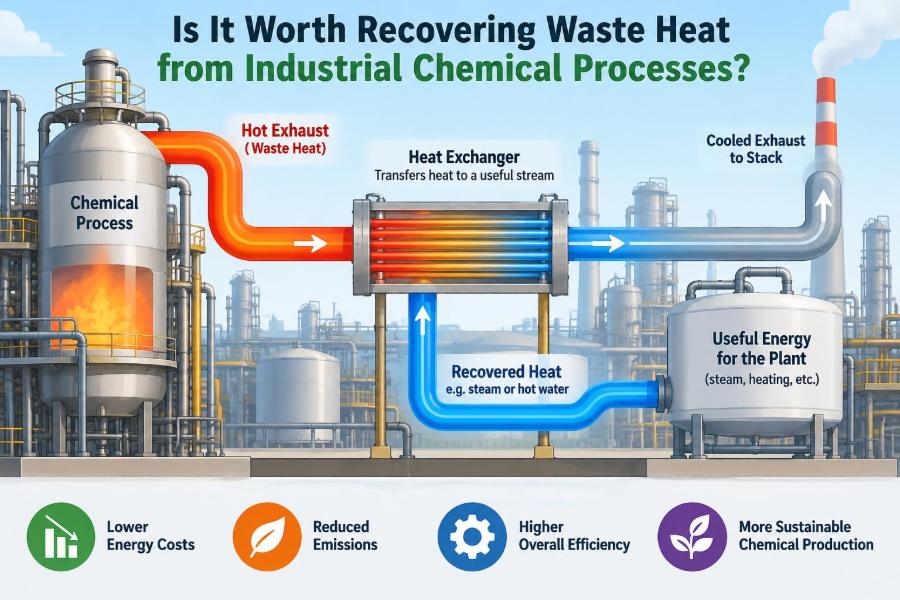
Hot exhaust, cooling water, and condensers can hide real energy opportunities—but only with the right heat sink. Learn how engineers test the trade-offs. 🧪🏭📉
Read More
🧪 A Smarter Way to Improve Process Efficiency Without Increasing Plant Complexity
Posted inFeatured

🧪 A Smarter Way to Improve Process Efficiency Without Increasing Plant Complexity

Posted by admin October 27, 2026
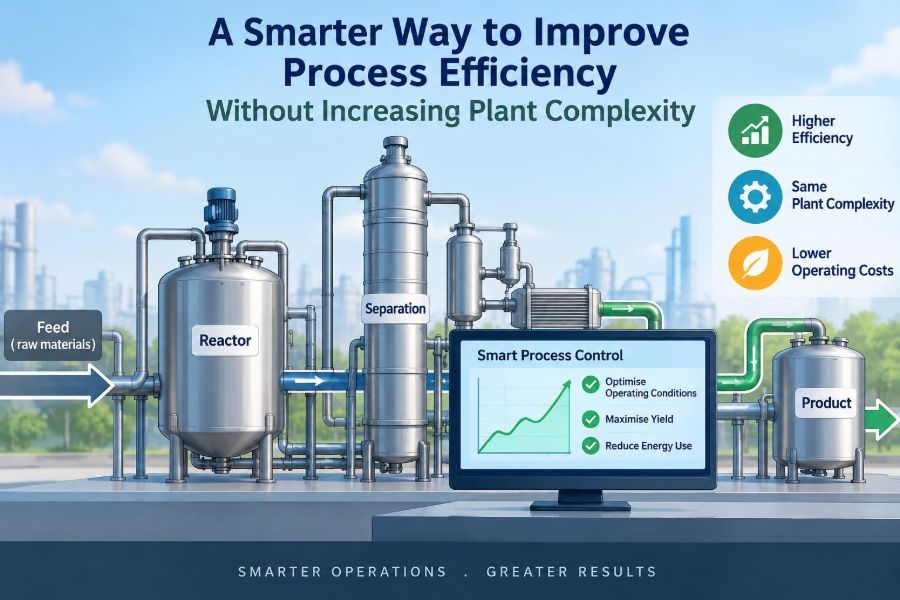
Many process losses come from variability, weak measurements, and hidden constraints—not missing hardware. Learn a practical route to better yield, energy use, and stability. ⚙️📊🌱
Read More
🧪 How Chemical Engineers Can Earn from Process Consulting, Training, and Technical Services
Posted inFeatured

🧪 How Chemical Engineers Can Earn from Process Consulting, Training, and Technical Services

Posted by admin October 25, 2026
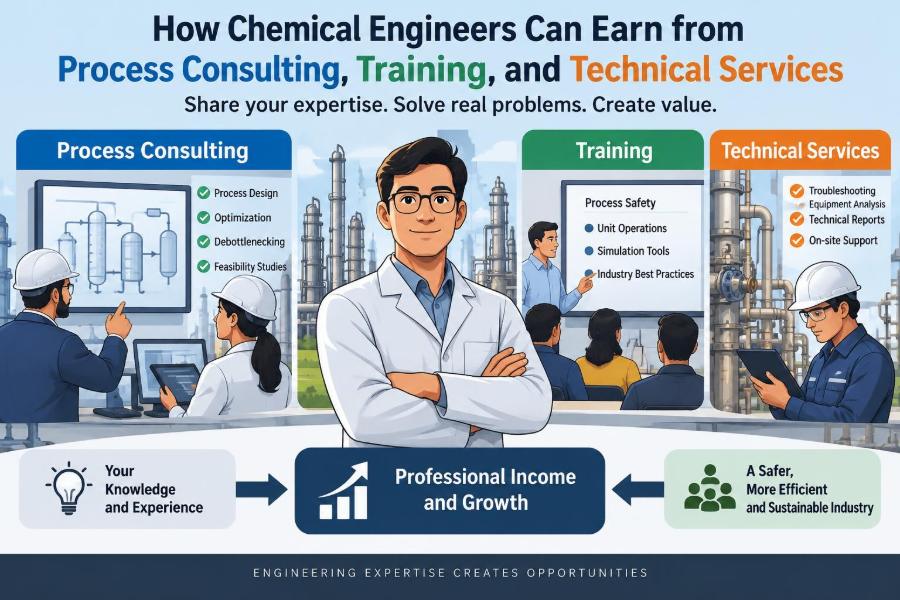
Learn how chemical engineers can package troubleshooting, training, and technical services into credible paid offers—while managing scope, safety, and trust. 🏭📊🤝
Read More
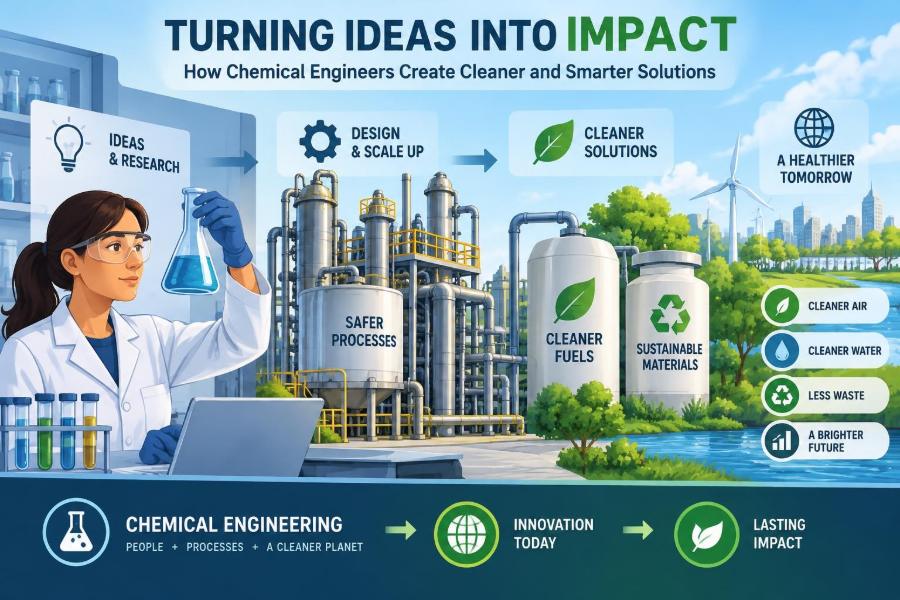
🧪 Turning Ideas into Impact: How Chemical Engineers Create Cleaner and Smarter Solutions
Posted inFeatured

🧪 Turning Ideas into Impact: How Chemical Engineers Create Cleaner and Smarter Solutions

Posted by admin October 24, 2026
From reactors and recycling to sensors and safer design, see how chemical engineers turn promising ideas into practical systems with fewer avoidable impacts. ♻️⚙️🔬
Read More
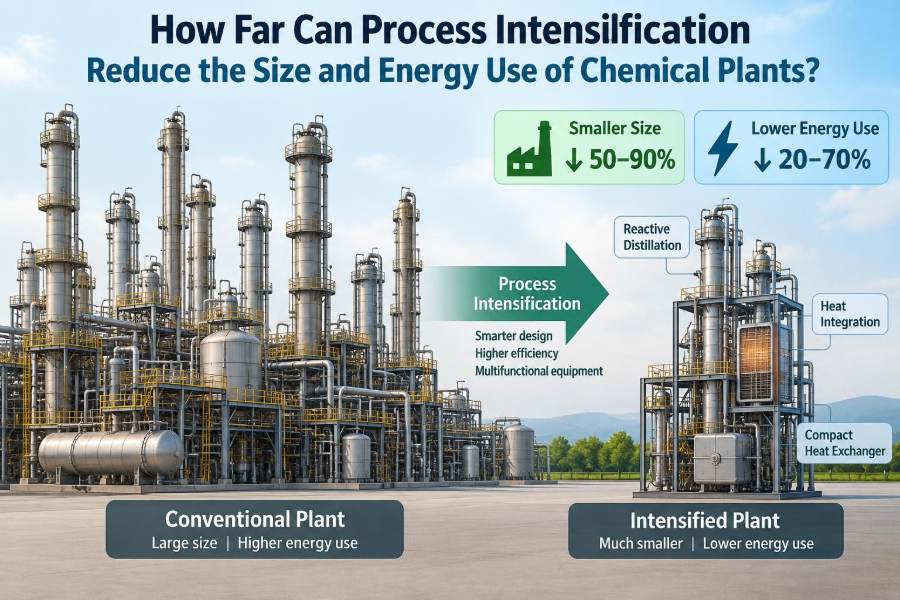
🧪 How Far Can Process Intensification Reduce the Size and Energy Use of Chemical Plants?
Posted inFeatured

🧪 How Far Can Process Intensification Reduce the Size and Energy Use of Chemical Plants?

Posted by admin October 20, 2026
Compact reactors, integrated separations, and smarter heat recovery can reshape plant design—but where do fouling, control, and thermodynamics set the limits? Explore the trade-offs. 🌍🔬
Read More
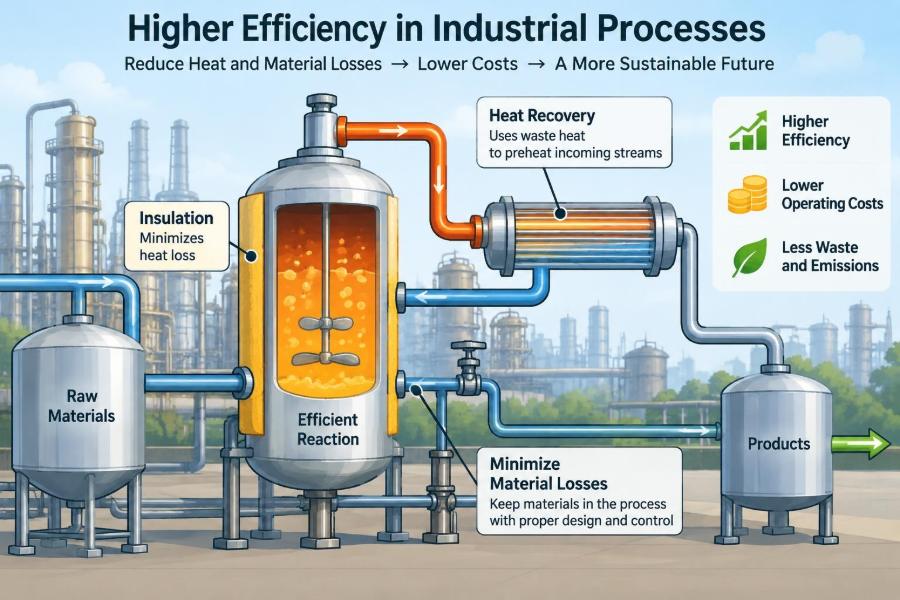
🧪 How to Make an Industrial Process More Efficient by Reducing Heat and Material Losses
Posted inFeatured

🧪 How to Make an Industrial Process More Efficient by Reducing Heat and Material Losses

Posted by admin October 19, 2026
Steam leaks, fouled exchangers, vapor losses, and off-spec product all add up. Learn a practical framework for finding, prioritizing, and reducing them safely. ♻️⚙️🔍
Read More
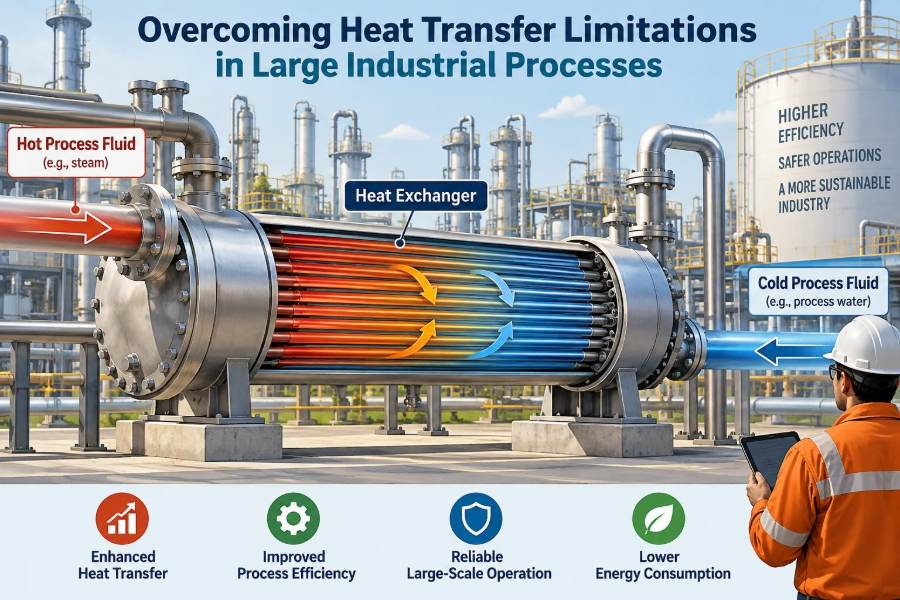
🧪 Overcoming Heat Transfer Limitations in Large Industrial Processes
Posted inFeatured

🧪 Overcoming Heat Transfer Limitations in Large Industrial Processes

Posted by admin October 19, 2026
Heat duty is only one part of the problem. Learn how fouling, flow, utilities, mixing, and scale can constrain industrial heating and cooling—and how to diagnose the true bottleneck. 🧪🏭📈
Read More

Posts pagination

1 2 3 Next page

Recent Posts

  • 🧪 Understanding Pinch Analysis: How Chemical Plants Reduce Heating and Cooling Energy
  • 🧪 Inside Industrial Crystallization: How Engineers Control Crystal Size and Purity
  • 🧪 Cavitation Explained: Why Vapor Bubbles Can Damage Pumps and Process Equipment
  • 🧪 Fluidization Explained: How Solid Particles Can Behave Like a Flowing Liquid
  • 🧪 Exploring Supercritical Fluids: How They Are Used in Extraction, Cleaning, and Chemical Processing

Recent Comments

No comments to show.

Archives

  • November 2026
  • October 2026
  • September 2026
  • August 2026
  • March 2025
  • February 2025
  • February 2022
  • January 2022
  • November 2021
  • October 2021
  • August 2021

Categories

  • advanced_concepts
  • Chemical Engineering Softwares
  • Chemical Process Calculation
  • Featured
  • General Concepts
  • heat transfer
  • Mass Transfer
  • Material Science
  • Mechanics of Solids
  • Mineral Processing
  • NanoTechnology
  • Organic Chemistry
  • Physical Chemistry
  • Quality Management
  • Uncategorized
Copyright 2026 — Chemical Engineering. All rights reserved. Bloghash WordPress Theme
Scroll to Top