Skip to content
  • facebook.com
  • twitter.com
  • t.me
  • instagram.com
  • youtube.com
Chemical Engineering

Transforming Science. Engineering a Better World.

Subscribe
  • Home
  • Online Tools
  • Chemical Engineering App
  • Home
  • Featured
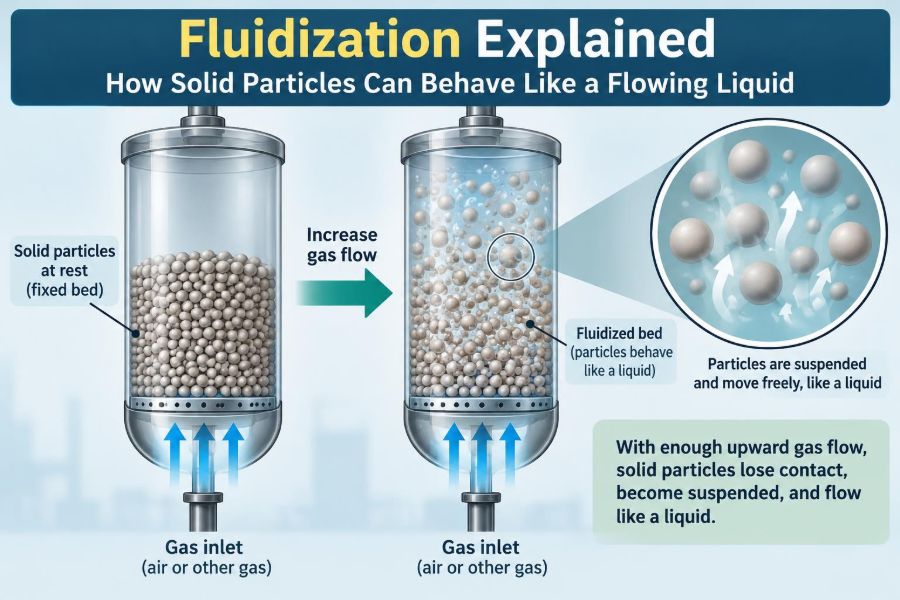
🧪 Fluidization Explained: How Solid Particles Can Behave Like a Flowing Liquid
Posted inFeatured

🧪 Fluidization Explained: How Solid Particles Can Behave Like a Flowing Liquid

Posted by admin November 22, 2026
A rising gas stream can suspend, mix, heat, and circulate solid particles. Learn what happens at minimum fluidization—and why bubbles, erosion, and powders matter. 🌬️⚙️🫧
Read More
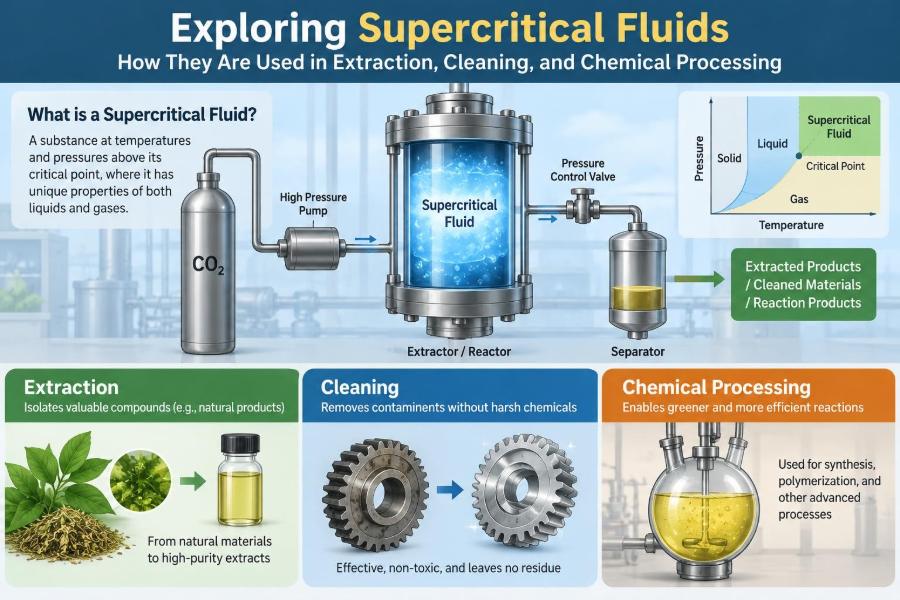
🧪 Exploring Supercritical Fluids: How They Are Used in Extraction, Cleaning, and Chemical Processing
Posted inFeatured

🧪 Exploring Supercritical Fluids: How They Are Used in Extraction, Cleaning, and Chemical Processing

Posted by admin November 20, 2026
Discover why supercritical fluids flow like gases, dissolve like liquids, and reshape extraction, precision cleaning, and chemical processing—plus the limits engineers must manage. ⚙️☕🌿
Read More
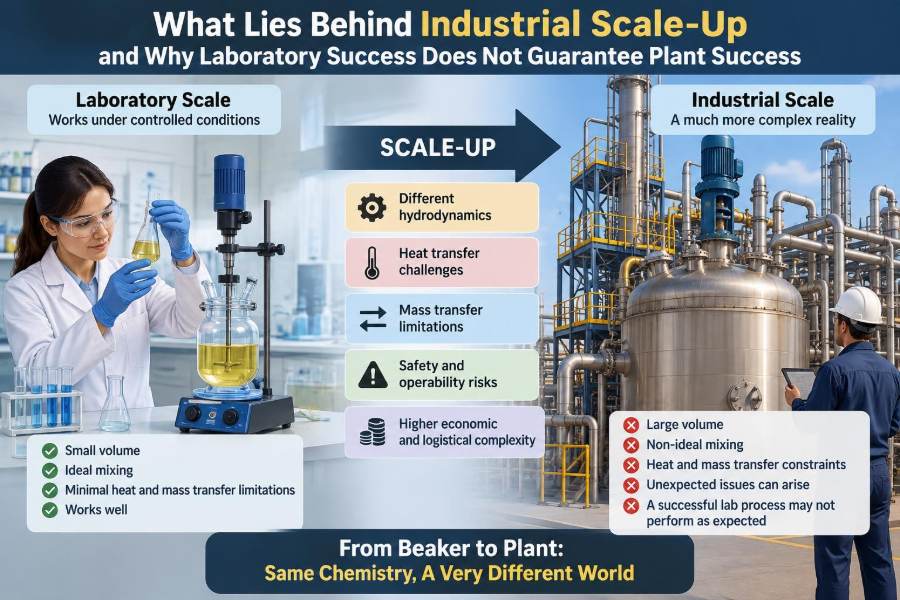
🧪 What Lies Behind Industrial Scale-Up and Why Laboratory Success Does Not Guarantee Plant Success
Posted inFeatured

🧪 What Lies Behind Industrial Scale-Up and Why Laboratory Success Does Not Guarantee Plant Success

Posted by admin November 20, 2026
A successful flask experiment is only the start. See how heat, mixing, solids, separations, safety, and real equipment reshape chemistry at industrial scale. ⚙️🌡️📊
Read More
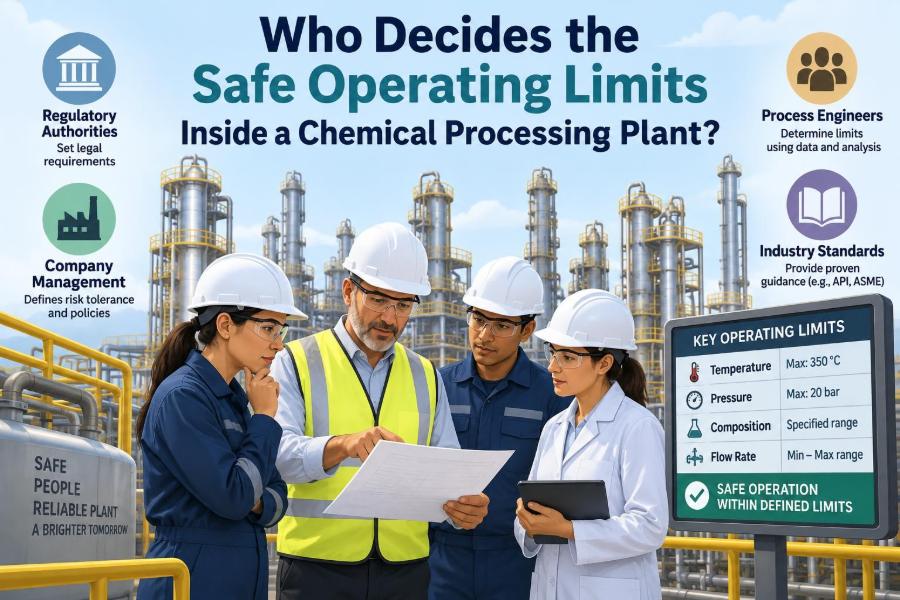
🧪 Who Decides the Safe Operating Limits Inside a Chemical Processing Plant?
Posted inFeatured

🧪 Who Decides the Safe Operating Limits Inside a Chemical Processing Plant?

Posted by admin November 19, 2026
A pressure or temperature limit is never just a number. See how engineers, operators, equipment data, alarms, and hazard reviews build a safer operating envelope. ⚙️🛡️🏭
Read More
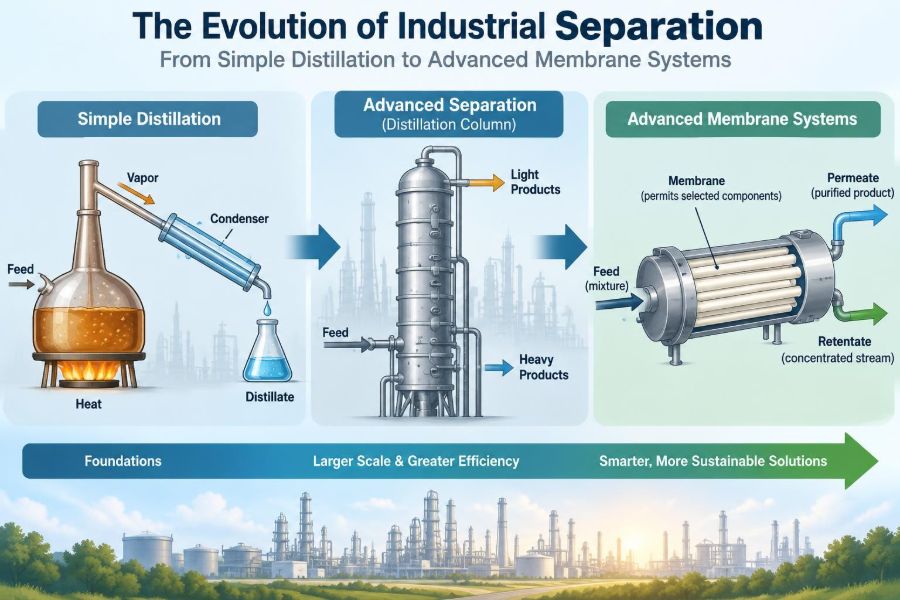
🧪 The Evolution of Industrial Separation: From Simple Distillation to Advanced Membrane Systems
Posted inFeatured

🧪 The Evolution of Industrial Separation: From Simple Distillation to Advanced Membrane Systems

Posted by admin November 19, 2026
From refinery columns to reverse-osmosis membranes, discover the forces that split industrial mixtures—and why the best process is rarely a one-unit answer. ⚙️💧🔬
Read More
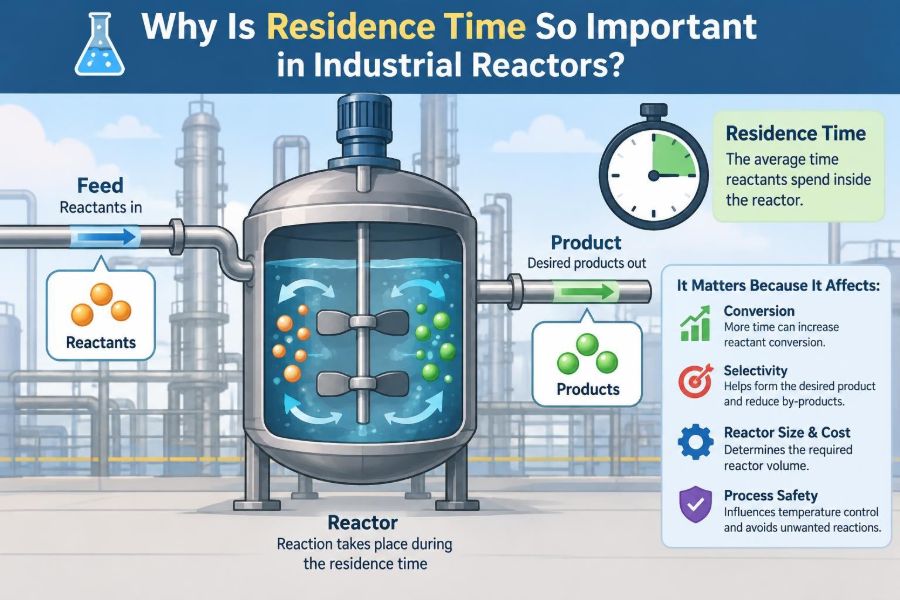
🧪 Why Is Residence Time So Important in Industrial Reactors?
Posted inFeatured

🧪 Why Is Residence Time So Important in Industrial Reactors?

Posted by admin November 16, 2026
A reactor’s size is only part of the story. See how residence time, mixing, bypassing, and heat transfer shape conversion, safety, and product quality. ⏱️⚗️🏭
Read More
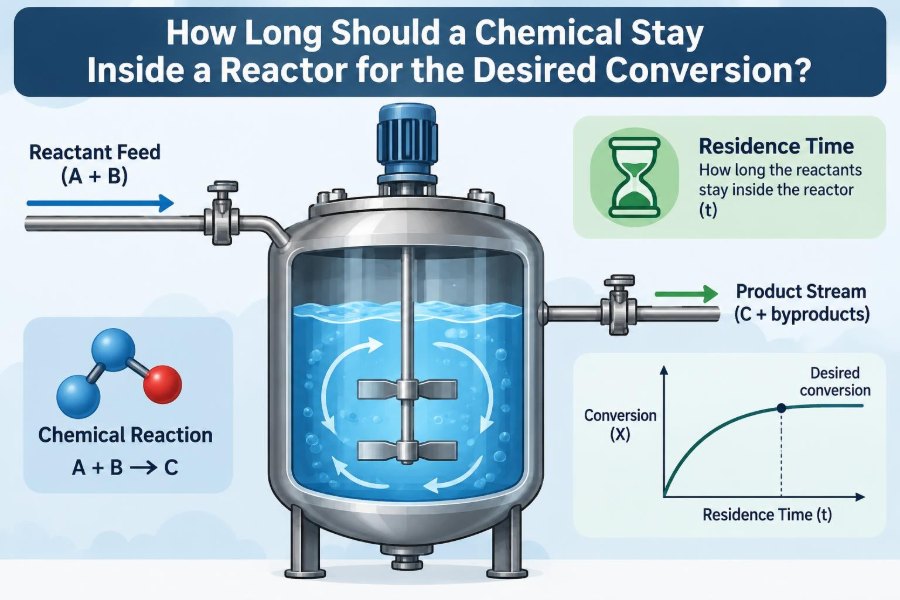
🧪 How Long Should a Chemical Stay Inside a Reactor for the Desired Conversion?
Posted inFeatured

🧪 How Long Should a Chemical Stay Inside a Reactor for the Desired Conversion?

Posted by admin November 15, 2026
Reactor time is more than volume divided by flow. Learn how kinetics, mixing, temperature, equilibrium, and real flow patterns determine conversion. 🏭🧪📈
Read More
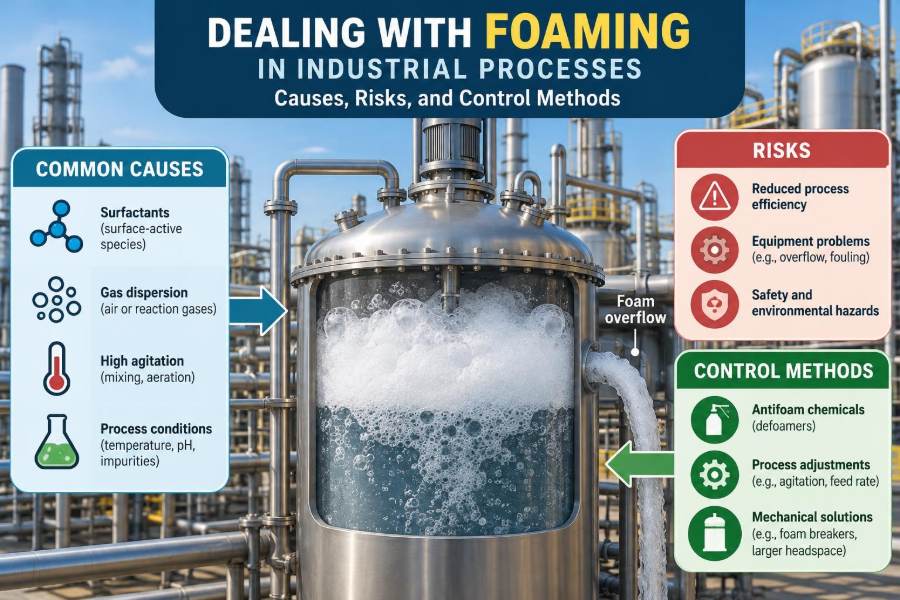
🧪 Dealing With Foaming in Industrial Processes: Causes, Risks, and Control Methods
Posted inFeatured

🧪 Dealing With Foaming in Industrial Processes: Causes, Risks, and Control Methods

Posted by admin November 15, 2026
Foam can distort level readings, cut capacity, and carry liquid into downstream equipment. Learn what stabilizes it and how to control it safely. ⚙️🧪🔎
Read More
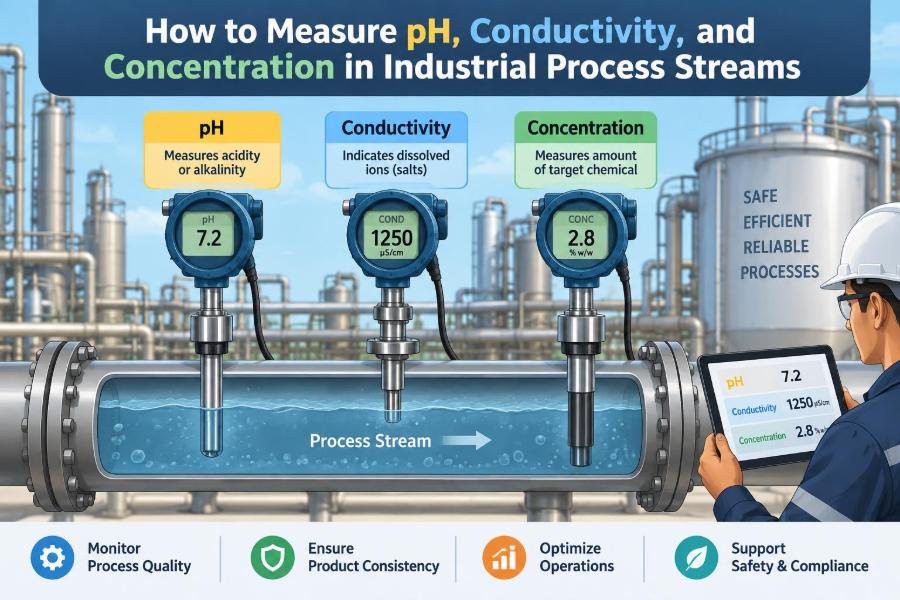
🧪 How to Measure pH, Conductivity, and Concentration in Industrial Process Streams
Posted inFeatured

🧪 How to Measure pH, Conductivity, and Concentration in Industrial Process Streams

Posted by admin November 14, 2026
pH, conductivity, and concentration can tell very different stories. Learn how sensors work, where readings go wrong, and how to build measurements operators can use. 🧪📈🔧
Read More
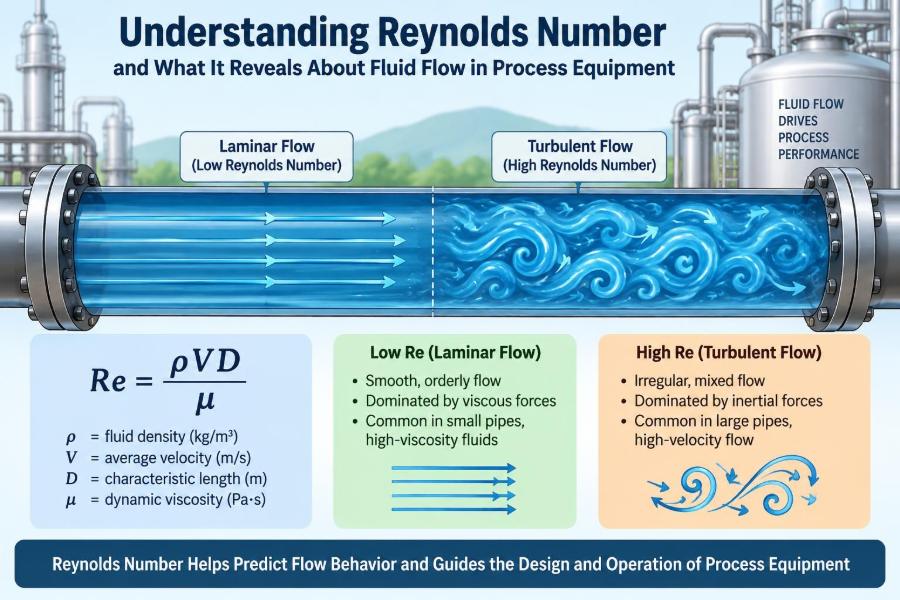
🧪 Understanding Reynolds Number and What It Reveals About Fluid Flow in Process Equipment
Posted inFeatured

🧪 Understanding Reynolds Number and What It Reveals About Fluid Flow in Process Equipment

Posted by admin November 12, 2026
From pipe pressure drop to heat-exchanger performance, Reynolds number explains why fluids behave differently in equipment. Learn the calculations, limits, and design clues. 🌊⚙️📐
Read More

Posts pagination

1 2 3 … 13 Next page

Recent Posts

  • 🧪 Fluidization Explained: How Solid Particles Can Behave Like a Flowing Liquid
  • 🧪 Exploring Supercritical Fluids: How They Are Used in Extraction, Cleaning, and Chemical Processing
  • 🧪 What Lies Behind Industrial Scale-Up and Why Laboratory Success Does Not Guarantee Plant Success
  • 🧪 Who Decides the Safe Operating Limits Inside a Chemical Processing Plant?
  • 🧪 The Evolution of Industrial Separation: From Simple Distillation to Advanced Membrane Systems

Recent Comments

No comments to show.

Archives

  • November 2026
  • October 2026
  • September 2026
  • August 2026
  • March 2025
  • February 2025
  • February 2022
  • January 2022
  • November 2021
  • October 2021
  • August 2021

Categories

  • advanced_concepts
  • Chemical Engineering Softwares
  • Chemical Process Calculation
  • Featured
  • General Concepts
  • heat transfer
  • Mass Transfer
  • Material Science
  • Mechanics of Solids
  • Mineral Processing
  • NanoTechnology
  • Organic Chemistry
  • Physical Chemistry
  • Quality Management
  • Uncategorized
Copyright 2026 — Chemical Engineering. All rights reserved. Bloghash WordPress Theme
Scroll to Top