Skip to content
  • facebook.com
  • twitter.com
  • t.me
  • instagram.com
  • youtube.com
Chemical Engineering

Transforming Science. Engineering a Better World.

Subscribe
  • Home
  • Online Tools
  • Chemical Engineering App
  • Home
  • reaction kinetics
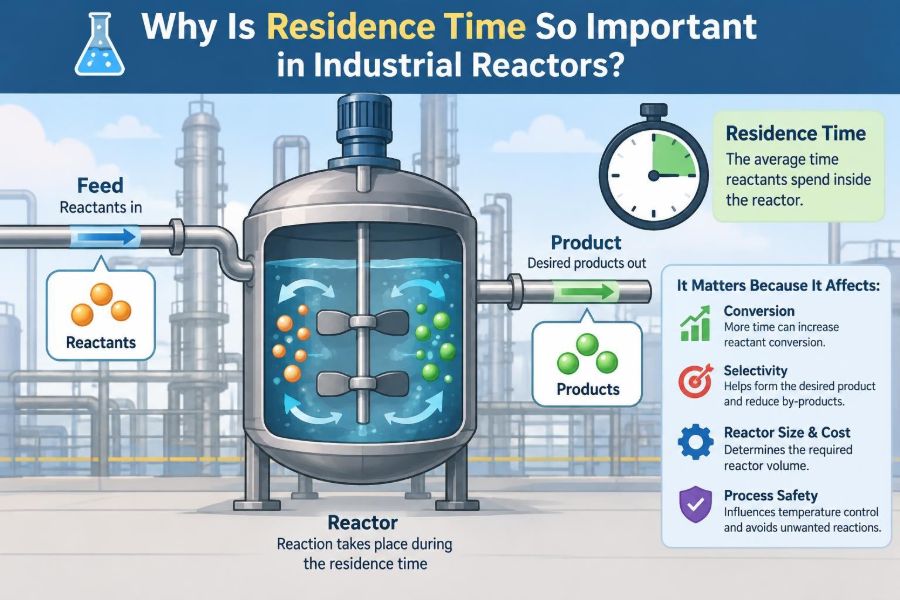
🧪 Why Is Residence Time So Important in Industrial Reactors?
Posted inFeatured

🧪 Why Is Residence Time So Important in Industrial Reactors?

Posted by admin November 16, 2026
A reactor’s size is only part of the story. See how residence time, mixing, bypassing, and heat transfer shape conversion, safety, and product quality. ⏱️⚗️🏭
Read More
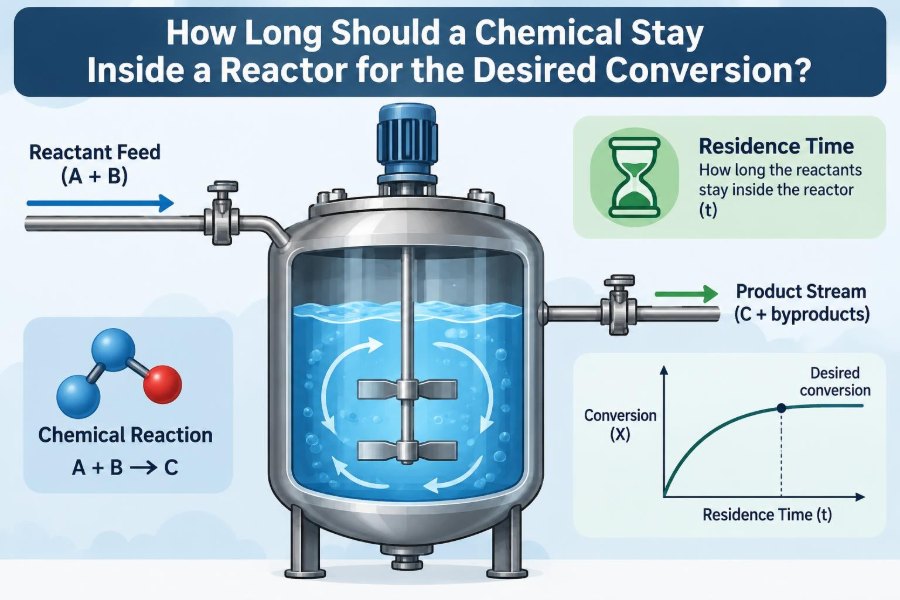
🧪 How Long Should a Chemical Stay Inside a Reactor for the Desired Conversion?
Posted inFeatured

🧪 How Long Should a Chemical Stay Inside a Reactor for the Desired Conversion?

Posted by admin November 15, 2026
Reactor time is more than volume divided by flow. Learn how kinetics, mixing, temperature, equilibrium, and real flow patterns determine conversion. 🏭🧪📈
Read More
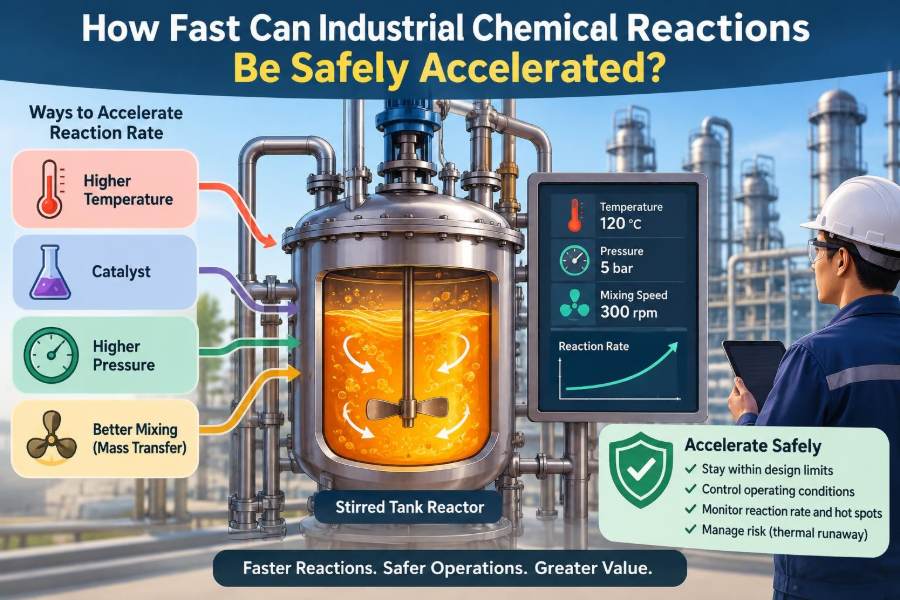
🧪 How Fast Can Industrial Chemical Reactions Be Safely Accelerated?
Posted inFeatured

🧪 How Fast Can Industrial Chemical Reactions Be Safely Accelerated?

Posted by admin November 9, 2026
Faster reactions can boost output—or overwhelm cooling, mixing, and controls. Learn how engineers find a productive rate with a real safety margin. 🌡️🏭⚗️
Read More
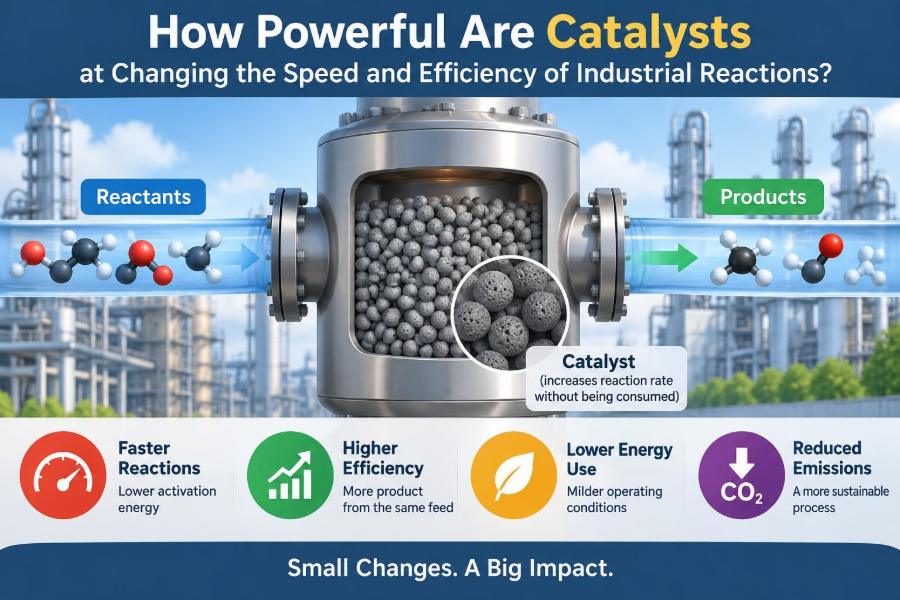
🧪 How Powerful Are Catalysts at Changing the Speed and Efficiency of Industrial Reactions?
Posted inFeatured

🧪 How Powerful Are Catalysts at Changing the Speed and Efficiency of Industrial Reactions?

Posted by admin October 16, 2026
From ammonia plants to catalytic converters, learn how catalysts change rate, selectivity, energy use, equipment size, and safety—and where their limits begin. 🏭🔬♻️
Read More
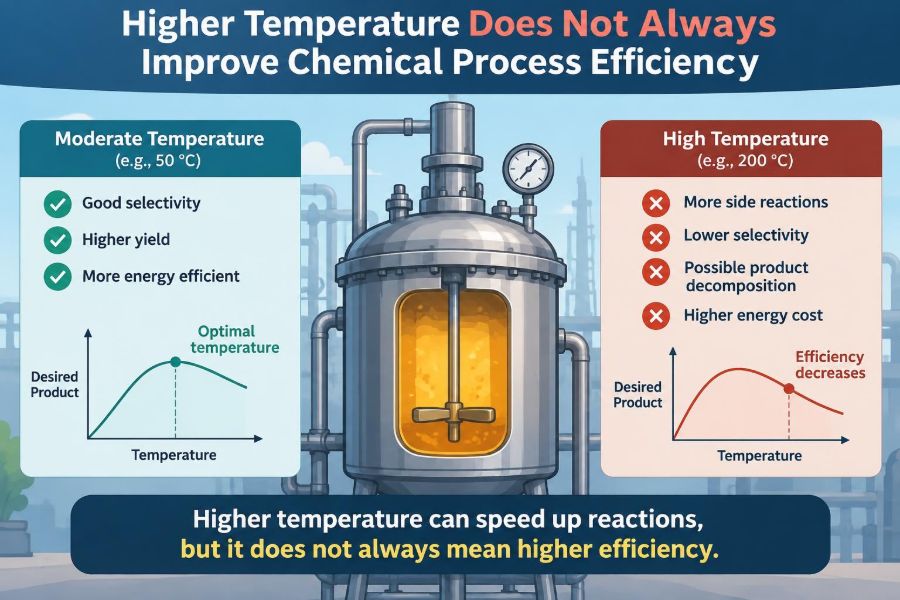
🧪 Debunking the Myth That Higher Temperature Always Improves Chemical Process Efficiency
Posted inFeatured

🧪 Debunking the Myth That Higher Temperature Always Improves Chemical Process Efficiency

Posted by admin October 15, 2026
Higher temperature can speed reactions—but it may also hurt yield, equilibrium, catalysts, safety, and energy use. Learn what engineers must check before raising the setpoint. ⚗️📉⚙️
Read More
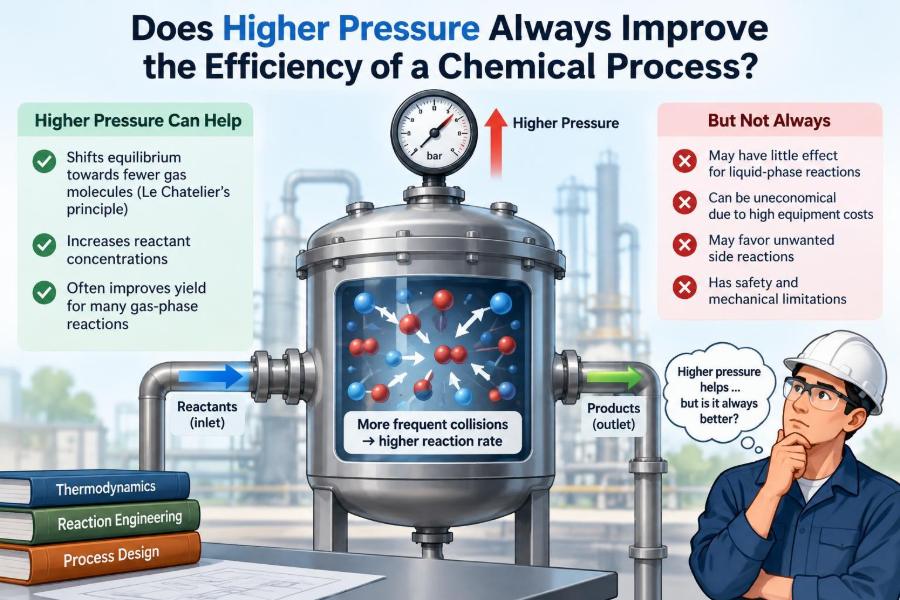
🧪 Does Higher Pressure Always Improve the Efficiency of a Chemical Process?
Posted inFeatured

🧪 Does Higher Pressure Always Improve the Efficiency of a Chemical Process?

Posted by admin October 8, 2026
Higher pressure can boost conversion, but it can also raise energy use, equipment costs, and safety demands. See how engineers find the real operating sweet spot. ⚙️📈🧪
Read More
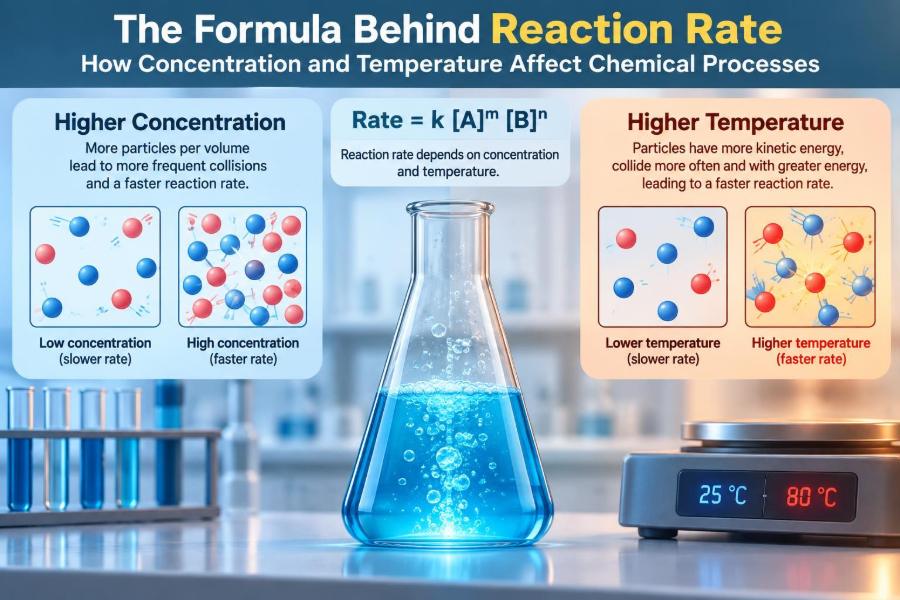
🧪 The Formula Behind Reaction Rate: How Concentration and Temperature Affect Chemical Processes
Posted inFeatured

🧪 The Formula Behind Reaction Rate: How Concentration and Temperature Affect Chemical Processes

Posted by admin October 6, 2026
See how concentration, temperature, activation energy, and mixing shape reaction rates—and why a faster reaction can create new design and safety challenges. ⚙️🔥🧫
Read More
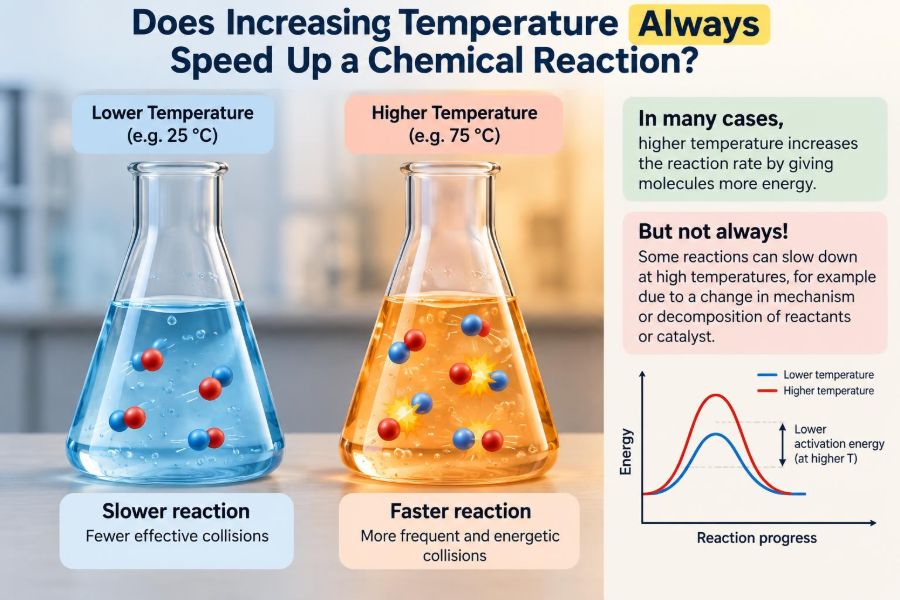
🧪 Does Increasing Temperature Always Speed Up a Chemical Reaction?
Posted inFeatured

🧪 Does Increasing Temperature Always Speed Up a Chemical Reaction?

Posted by admin October 3, 2026
Higher temperature often raises reaction rates—but equilibrium, catalysts, side reactions, and heat transfer can change the outcome. Learn what really controls performance. ⚗️🔥🏭
Read More
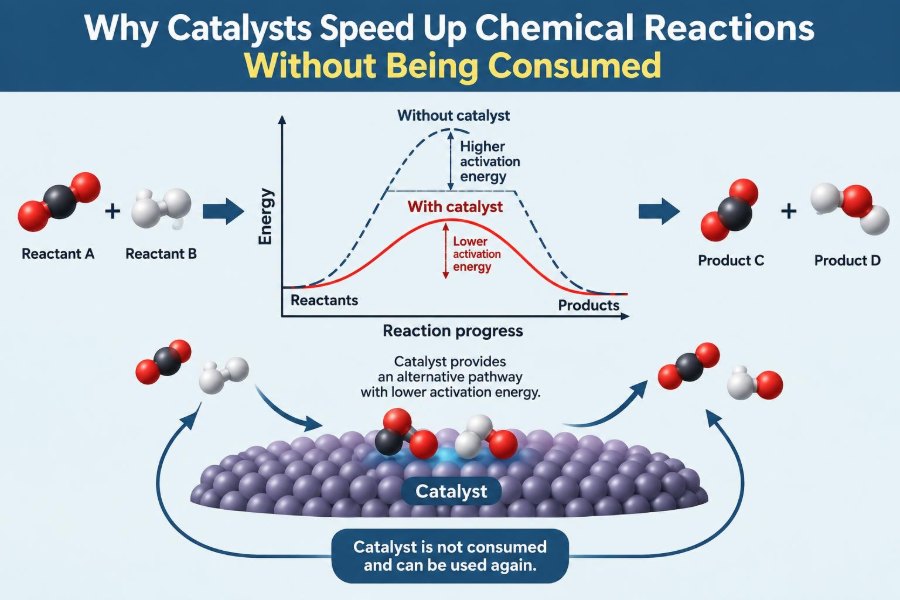
🧪 Why Catalysts Speed Up Chemical Reactions Without Being Consumed
Posted inFeatured

🧪 Why Catalysts Speed Up Chemical Reactions Without Being Consumed

Posted by admin September 24, 2026
Catalysts take part in reactions, yet emerge ready to work again. Discover the catalytic cycle, lower activation energy, active sites, and real-world limits. ⚗️🔁🏭
Read More

Recent Posts

  • 🧪 Understanding Pinch Analysis: How Chemical Plants Reduce Heating and Cooling Energy
  • 🧪 Inside Industrial Crystallization: How Engineers Control Crystal Size and Purity
  • 🧪 Cavitation Explained: Why Vapor Bubbles Can Damage Pumps and Process Equipment
  • 🧪 Fluidization Explained: How Solid Particles Can Behave Like a Flowing Liquid
  • 🧪 Exploring Supercritical Fluids: How They Are Used in Extraction, Cleaning, and Chemical Processing

Recent Comments

No comments to show.

Archives

  • November 2026
  • October 2026
  • September 2026
  • August 2026
  • March 2025
  • February 2025
  • February 2022
  • January 2022
  • November 2021
  • October 2021
  • August 2021

Categories

  • advanced_concepts
  • Chemical Engineering Softwares
  • Chemical Process Calculation
  • Featured
  • General Concepts
  • heat transfer
  • Mass Transfer
  • Material Science
  • Mechanics of Solids
  • Mineral Processing
  • NanoTechnology
  • Organic Chemistry
  • Physical Chemistry
  • Quality Management
  • Uncategorized
Copyright 2026 — Chemical Engineering. All rights reserved. Bloghash WordPress Theme
Scroll to Top