Skip to content
  • facebook.com
  • twitter.com
  • t.me
  • instagram.com
  • youtube.com
Chemical Engineering

Transforming Science. Engineering a Better World.

Subscribe
  • Home
  • Online Tools
  • Chemical Engineering App
  • Home
  • 2026
  • Page 5
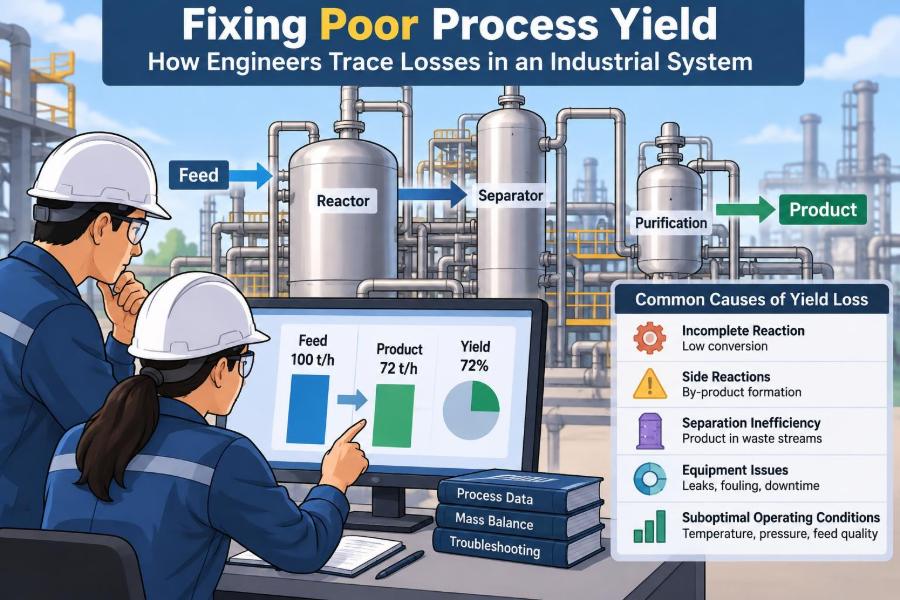
🧪 Fixing Poor Process Yield: How Engineers Trace Losses in an Industrial System
Posted inFeatured

🧪 Fixing Poor Process Yield: How Engineers Trace Losses in an Industrial System

Posted by admin October 15, 2026
A low yield is not always a reactor problem. Learn how to trace product through reactions, separations, holdup, waste streams, and data gaps—before choosing a fix. ⚖️🏭🔍
Read More
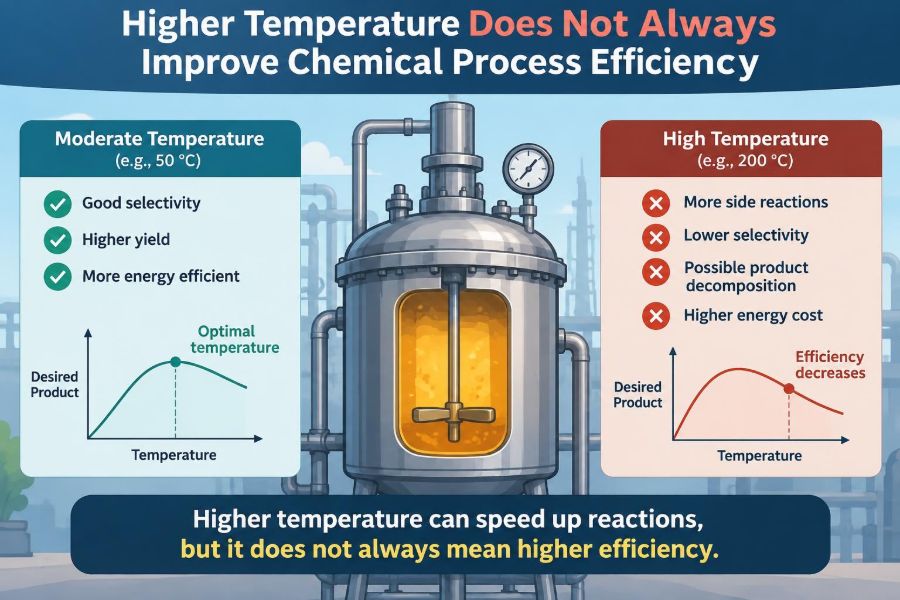
🧪 Debunking the Myth That Higher Temperature Always Improves Chemical Process Efficiency
Posted inFeatured

🧪 Debunking the Myth That Higher Temperature Always Improves Chemical Process Efficiency

Posted by admin October 15, 2026
Higher temperature can speed reactions—but it may also hurt yield, equilibrium, catalysts, safety, and energy use. Learn what engineers must check before raising the setpoint. ⚗️📉⚙️
Read More
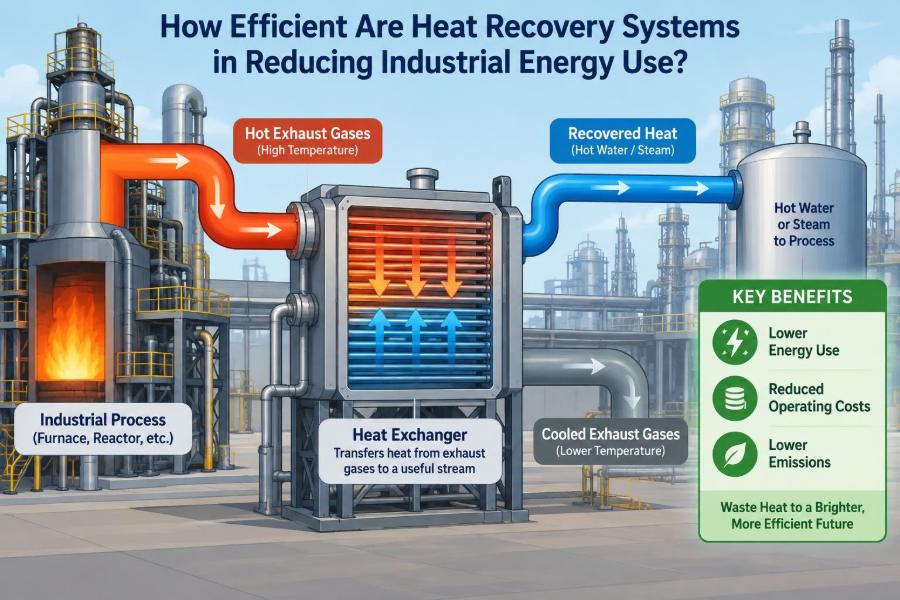
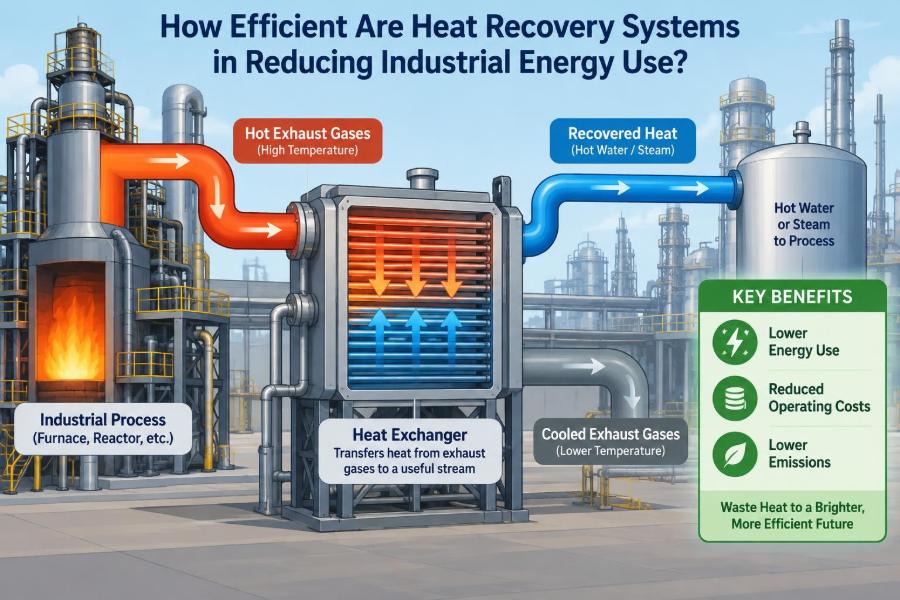
🧪 How Efficient Are Heat Recovery Systems in Reducing Industrial Energy Use?
Posted inFeatured

🧪 How Efficient Are Heat Recovery Systems in Reducing Industrial Energy Use?

Posted by admin October 14, 2026
Hot exhaust, condensate, and process streams can cut utility demand—but only when temperature, timing, fouling, and controls align. Learn the engineering trade-offs. 🧪⚙️🌍
Read More
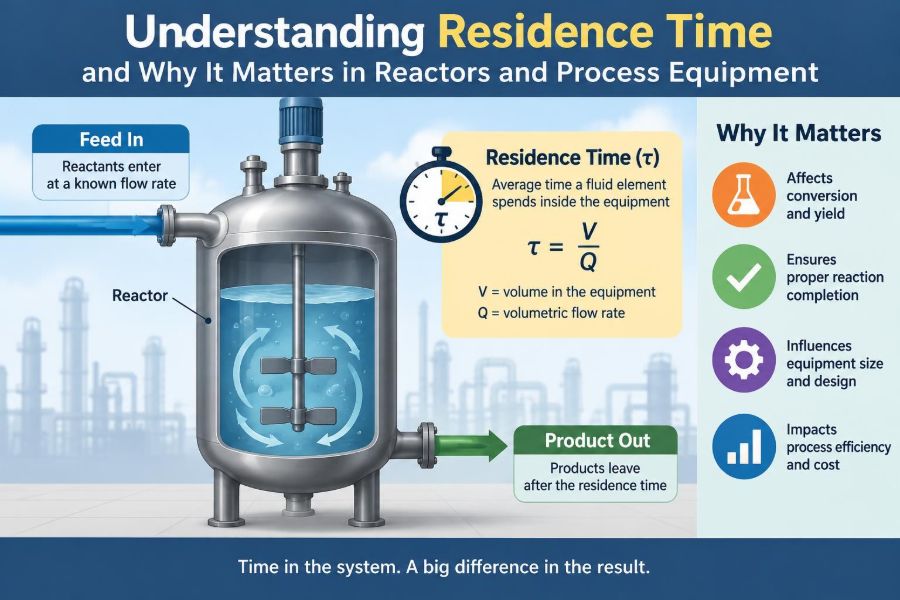
🧪 Understanding Residence Time and Why It Matters in Reactors and Process Equipment
Posted inFeatured

🧪 Understanding Residence Time and Why It Matters in Reactors and Process Equipment

Posted by admin October 13, 2026
A tank volume divided by flow rate is only the beginning. Learn how mixing, bypassing, dead zones, and RTD shape conversion, separation, control, and safety. 🧪🏭📈
Read More
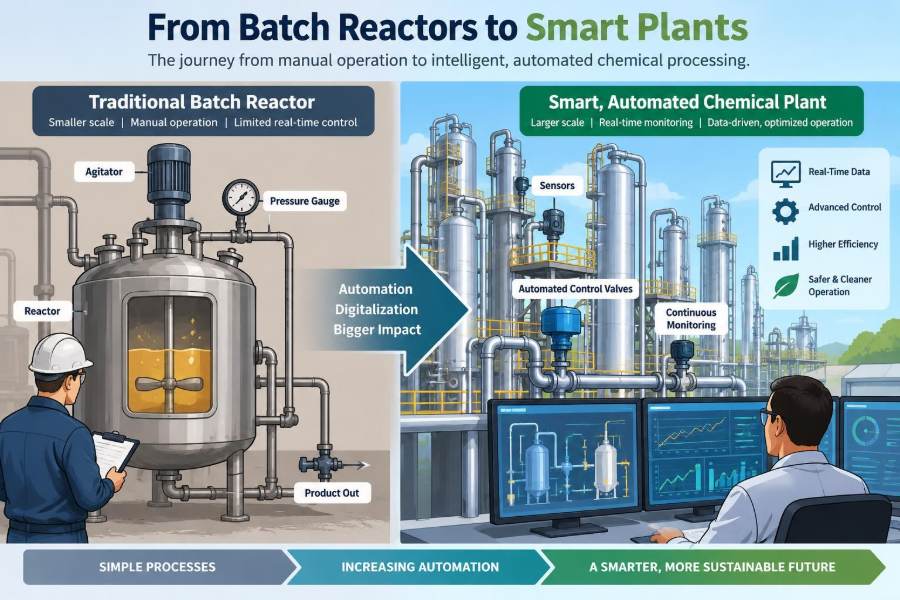
🧪 From Batch Reactors to Smart Plants: How Chemical Processing Became More Automated
Posted inFeatured

🧪 From Batch Reactors to Smart Plants: How Chemical Processing Became More Automated

Posted by admin October 12, 2026
From handwritten batch sheets to PID loops, digital twins, and safer control rooms—see how automation changed chemical processing without removing human judgment. 🧪📊🏭
Read More
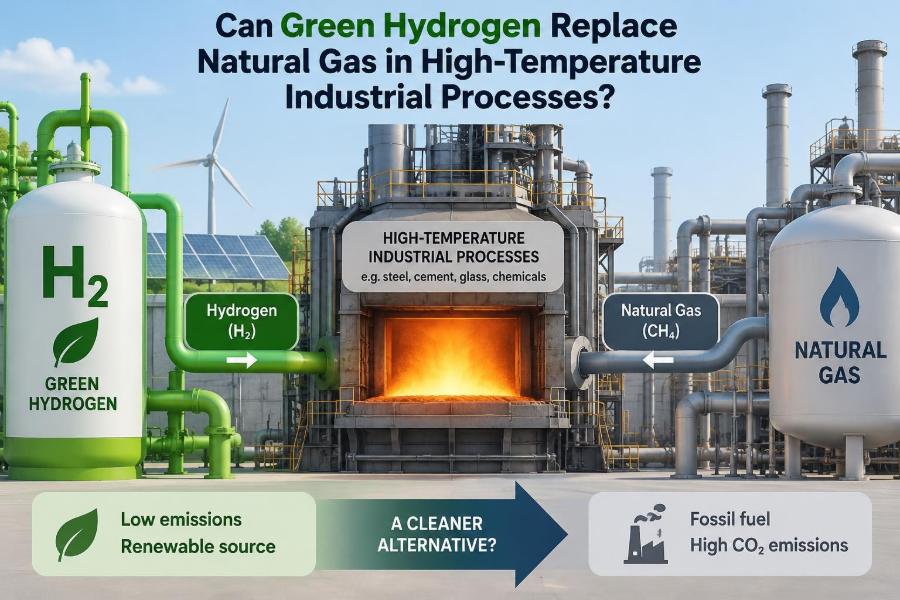
🧪 Whether Green Hydrogen Can Replace Natural Gas in High-Temperature Industrial Processes
Posted inFeatured

🧪 Whether Green Hydrogen Can Replace Natural Gas in High-Temperature Industrial Processes

Posted by admin October 12, 2026
Hydrogen can deliver intense heat, but furnace flames, NOx, storage, product quality, and electricity supply all change. See where it fits—and where direct power wins. ⚡🏭🌿
Read More
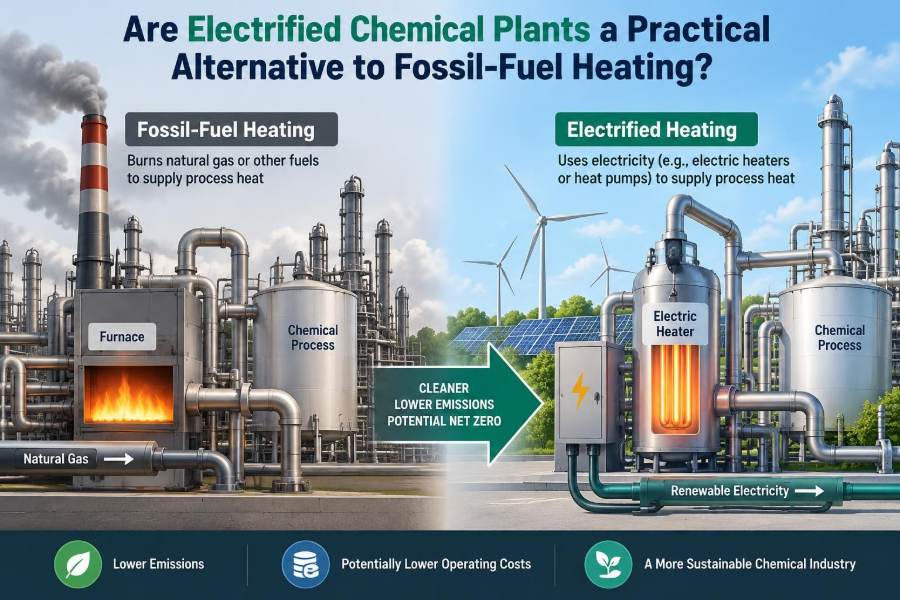
🧪 Are Electrified Chemical Plants a Practical Alternative to Fossil-Fuel Heating?
Posted inFeatured

🧪 Are Electrified Chemical Plants a Practical Alternative to Fossil-Fuel Heating?

Posted by admin October 11, 2026
Electric heat can cut combustion, but temperature, grid capacity, safety, and heat integration decide the outcome. See where electrification fits—and where it does not. 🧪🏭⚡
Read More
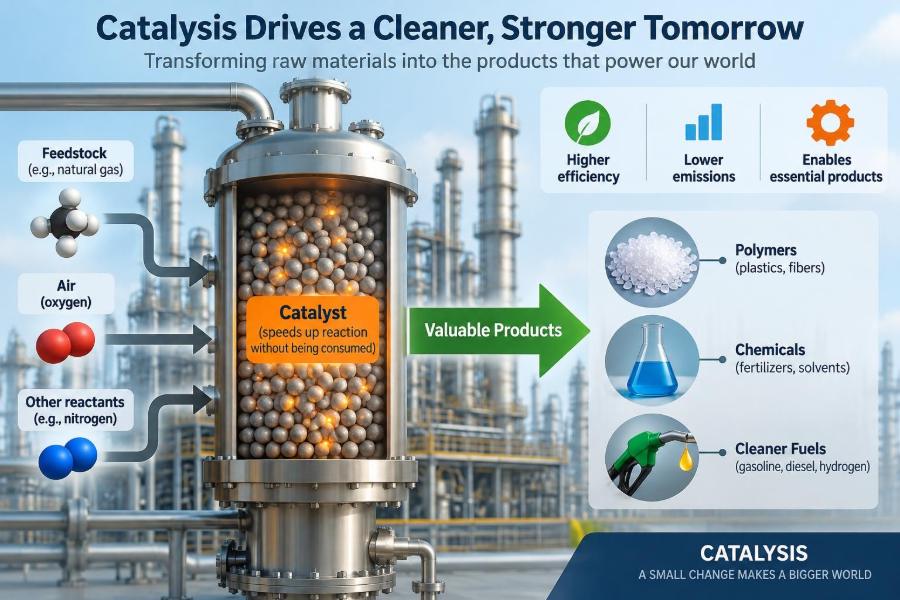
🧪 Discoveries in Catalysis That Transformed Modern Chemical Manufacturing
Posted inFeatured

🧪 Discoveries in Catalysis That Transformed Modern Chemical Manufacturing

Posted by admin October 11, 2026
From ammonia fertilizer to plastics and cleaner fuels, discover the catalytic breakthroughs that changed chemical plants—and the engineering lessons behind them. ⚗️🔬🌱
Read More
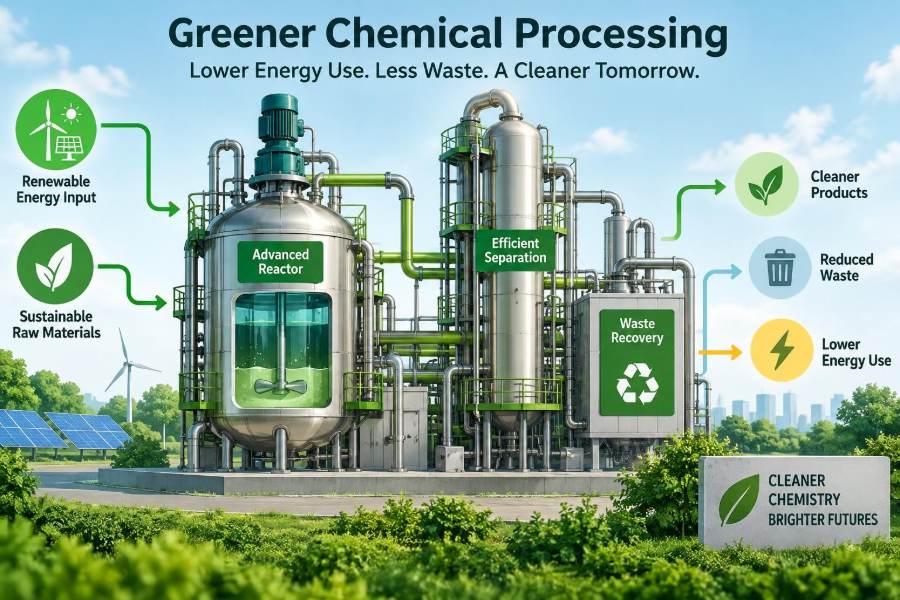
🧪 Innovations in Chemical Processing: How Greener Technologies Are Reducing Energy and Waste
Posted inFeatured

🧪 Innovations in Chemical Processing: How Greener Technologies Are Reducing Energy and Waste

Posted by admin October 10, 2026
From smarter catalysts to heat recovery and continuous flow, see how chemical engineers can reduce energy use and waste without oversimplifying the trade-offs. 🌍⚙️🧪
Read More

Posts pagination

Previous page 1 … 3 4 5 6 7 … 11 Next page

Recent Posts

  • 🧪 How Long Should a Chemical Stay Inside a Reactor for the Desired Conversion?
  • 🧪 Dealing With Foaming in Industrial Processes: Causes, Risks, and Control Methods
  • 🧪 How to Measure pH, Conductivity, and Concentration in Industrial Process Streams
  • 🧪 Understanding Reynolds Number and What It Reveals About Fluid Flow in Process Equipment
  • 🧪 The Solution to Reactor Hot Spots: How Engineers Control Uneven Temperature Inside Chemical Processes

Recent Comments

No comments to show.

Archives

  • November 2026
  • October 2026
  • September 2026
  • August 2026
  • March 2025
  • February 2025
  • February 2022
  • January 2022
  • November 2021
  • October 2021
  • August 2021

Categories

  • advanced_concepts
  • Chemical Engineering Softwares
  • Chemical Process Calculation
  • Featured
  • General Concepts
  • heat transfer
  • Mass Transfer
  • Material Science
  • Mechanics of Solids
  • Mineral Processing
  • NanoTechnology
  • Organic Chemistry
  • Physical Chemistry
  • Quality Management
  • Uncategorized
Copyright 2026 — Chemical Engineering. All rights reserved. Bloghash WordPress Theme
Scroll to Top